Bordeaux’s Best-Kept Shopping Secrets: Where Style Meets Soul
You know that thrill when you stumble upon a tiny shop that feels like it was made just for you? That’s Bordeaux’s shopping magic. Far from crowded tourist traps, the city offers a curated blend of tradition and trend, where every purchase tells a story. Whether you're hunting for artisanal leather, vintage gems, or handcrafted jewelry, Bordeaux blends elegance with authenticity. This is shopping not as consumption—but as connection. Let’s explore the places where locals go, the finds you won’t see online, and why your next must-visit isn’t a museum, but a side-street boutique.
The Heartbeat of Bordeaux: Why Shopping Here Feels Different
Bordeaux is not a city that rushes. Its rhythm is measured in sunlit strolls along the Garonne, in the quiet hum of artisans shaping leather or polishing silver behind glass-fronted workshops. This deliberate pace defines the city’s shopping culture, setting it apart from the frenetic energy of larger capitals. Here, retail is not transactional—it’s relational. Shopkeepers remember your name, offer a warm 'Bonjour' with genuine warmth, and take time to explain the origins of a handwoven scarf or the history behind a family-run pottery line. This personal touch is no accident; it’s woven into the city’s identity, where local pride and regional craftsmanship are honored as deeply as the famed Bordeaux wine.
The urban design of Bordeaux enhances this intimate shopping experience. The historic center, one of Europe’s largest UNESCO World Heritage sites by surface area, is largely pedestrianized. Wide boulevards like the Allées de Tourny invite leisurely walking, while narrow lanes in districts like Saint-Pierre encourage discovery. There are no neon-lit malls or chain-dominated high streets here. Instead, shopping unfolds in elegant 18th-century buildings with sandstone facades, where shuttered windows open to reveal curated displays of linen, ceramics, and perfumes made in small batches. This architectural harmony creates a sense of continuity between past and present, making every shopping outing feel like a gentle immersion in the city’s soul.
What truly sets Bordeaux apart is its commitment to authenticity. The city has embraced the slow fashion movement, with many boutiques showcasing locally made garments using sustainable fabrics and ethical practices. Labels like *Les Subtiles* and *Céline Cousteau* emphasize timelessness over trends, offering pieces designed to last. This philosophy extends beyond clothing—into food markets, home goods, and even bookshops, where independent publishers are celebrated. Shopping here becomes a conscious choice, a way to support local livelihoods while bringing home something meaningful. In a world of mass production, Bordeaux offers a refreshing alternative: retail with resonance.
Saint-Pierre: The Historic Core with a Trendy Pulse
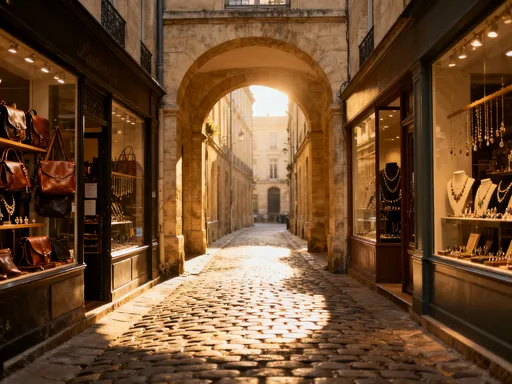
Nestled behind the majestic Cathedral of Saint-André, the Saint-Pierre district is where Bordeaux’s medieval heart beats with modern flair. Cobblestone streets wind beneath centuries-old stone arches, leading to hidden courtyards and intimate plazas where time seems to pause. Yet within these ancient walls, a vibrant contemporary scene thrives. Independent designers, ceramicists, and textile artists have transformed old townhouses into stylish boutiques and ateliers, creating a dynamic blend of heritage and innovation.
One of the district’s quiet treasures is its concentration of artisan workshops. A narrow alley might reveal a tiny ceramics studio where a potter shapes delicate bowls using traditional techniques passed down through generations. Another corner hosts a linen shop run by a mother-daughter duo, offering hand-embroidered tablecloths and napkins dyed with natural pigments. These are not display pieces meant for show—they are made to be used, cherished, and passed on. The materials speak of the region: flax from nearby fields, wool from local sheep, and dyes derived from plants like woad and saffron, once central to the area’s economy.
Every Saturday, the Place des Chartrons hosts a lively market that embodies the spirit of Saint-Pierre. Farmers, beekeepers, and crafters gather under striped awnings, offering everything from raw honey to handmade soaps infused with lavender and rosemary. Unlike commercial markets, this one operates on direct exchange—no middlemen, no plastic packaging. Vendors greet regulars by name, offering samples and stories with every purchase. It’s a model of transparency and community, where knowing the maker matters as much as the product. For visitors, it’s a chance to engage with the rhythm of local life, to taste the terroir not just in wine but in bread, cheese, and preserves made from regional recipes.
What makes Saint-Pierre so special is its accessibility. Despite its charm, it remains unpretentious. You won’t find velvet ropes or price tags hidden until inquiry. Instead, shop doors are open, inviting passersby to step in, browse, and chat. Children play near fountains while parents sip coffee from nearby cafés, creating a warm, familial atmosphere. This is shopping as a social act, deeply embedded in the fabric of daily life. For the discerning traveler, Saint-Pierre offers not just beautiful objects, but a glimpse into a way of living that values slowness, craftsmanship, and connection.
Chartrons: Where Wine and Wardrobes Collide
If Saint-Pierre whispers history, Chartrons speaks it with elegance and confidence. Once the domain of wine merchants who shipped barrels to England and beyond, this riverside neighborhood has evolved into Bordeaux’s most sophisticated shopping destination. The grand 18th-century warehouses that once stored casks of claret now house designer boutiques, antique galleries, and concept stores where fashion meets fine living. The area’s transformation has been careful and respectful—preserving its architectural grandeur while infusing it with modern vitality.
Walking through Chartrons feels like browsing a curated gallery of refined taste. Boutiques such as *La Maison de la Soie* showcase silk scarves and blouses made in Lyon, each piece a study in color and texture. Nearby, antique shops display ornate mirrors, vintage trunks, and Art Deco furniture, all carefully restored. These are not flea market finds but heirloom-quality pieces, often accompanied by detailed provenance. For those who appreciate timeless design, Chartrons offers a rare opportunity to own a fragment of European elegance.
What makes this neighborhood truly unique is the seamless integration of wine culture into the shopping experience. Many visitors follow a 'wine-and-shop' trail, beginning with a tasting at a small négociant house, then strolling to a nearby boutique for a silk scarf or a handcrafted leather belt. Some shops even collaborate with local vineyards, offering exclusive gift sets that pair a bottle of Saint-Émilion with artisanal chocolates or a hand-painted notebook. This synergy reflects Bordeaux’s broader identity—one where pleasure is not compartmentalized but woven into every aspect of life.
Despite its upscale offerings, Chartrons remains deeply livable. Families dine at neighborhood bistros, children ride bikes along the quays, and neighbors gather at corner bakeries. Luxury here is not ostentatious; it’s understated, rooted in quality and care. A €2,000 handbag from a regional designer is displayed beside a €5 loaf of sourdough from a family bakery—both treated with equal respect. This balance of refinement and warmth makes Chartrons not just a shopping destination, but a place to feel at home, even as a visitor.
The Rise of Concept Stores: More Than Just Retail
In recent years, Bordeaux has embraced a new kind of retail space: the concept store. These are not mere shops but immersive environments where fashion, design, art, and hospitality converge. Places like *Les Garçons* and *Dedicate* have redefined what shopping can be—transforming it from a chore into an experience. These spaces are thoughtfully curated, with every item chosen for its story, craftsmanship, and aesthetic harmony.
*Les Garçons*, located in the Chartrons district, is a prime example. Housed in a converted warehouse, the store spans two floors, blending men’s and women’s apparel with home decor, books, and vinyl records. The selection features emerging French designers alongside established Scandinavian brands, all united by a minimalist, earth-toned palette. What sets it apart is the atmosphere: soft lighting, quiet jazz, and the scent of sandalwood diffusers create a sense of calm. An in-house café serves organic teas and pastries, inviting visitors to linger. Here, shopping is not rushed—it’s savored.
Similarly, *Dedicate* offers a multi-sensory journey. The store rotates its themes seasonally, once focusing on maritime inspiration with nautical knits and seashell-print scarves, another time highlighting Provence with lavender-scented candles and hand-thrown pottery. Art installations line the walls, often created by local artists, reinforcing the idea that fashion is part of a broader cultural dialogue. Staff are not salespeople but storytellers, ready to explain the origin of a hand-dyed dress or the philosophy behind a zero-waste brand.
These concept stores reflect a shift in consumer values—toward mindfulness, authenticity, and experience. They attract not just locals but fashion-savvy travelers seeking something beyond the ordinary. For the 30- to 55-year-old woman who values both style and substance, these spaces offer a rare blend: beauty with meaning. They prove that retail can be a form of cultural expression, a place where personal identity and artistic vision meet.
Marché des Capucins: A Feast for All Senses
No visit to Bordeaux is complete without a morning at the Marché des Capucins, affectionately known as the 'belly of the city.' While celebrated for its fresh produce, seafood, and cheeses, this bustling market is also a treasure trove for unique, locally made goods. Stalls overflow with regional textiles—cotton aprons from Gascony, woolen throws from the Pyrenees, and embroidered handkerchiefs bearing Occitan motifs. Handmade soaps, infused with herbs from the Dordogne, line wooden shelves, while jewelry makers display silver pendants shaped like grapevines or river currents.
The market operates on a simple principle: direct from maker to buyer. There are no imported trinkets or mass-produced souvenirs. Instead, each vendor represents a micro-enterprise—often a one-person operation rooted in family tradition. A woman might sell lavender sachets she gathers and dries herself; a retired carpenter offers hand-turned wooden spoons. These are not just products but extensions of personal histories, crafted with care and sold with pride.
The rhythm of the market is infectious. By 9 a.m., the air is thick with the aroma of roasting coffee, sizzling sausages, and warm baguettes. Vendors call out specials in melodic French, their voices rising above the clatter of baskets and the occasional bark of a leashed dog. Children press their noses against fishmonger counters, marveling at oysters still glistening with seawater. It’s a place of joy, of abundance, of human connection. For shoppers, it’s an opportunity to engage—not just to buy, but to listen, to learn, to participate.
What makes Marché des Capucins so special is its authenticity. Unlike tourist-focused markets, this one serves the local community first. Prices are fair, portions generous, and the experience unscripted. It’s the kind of place where a simple purchase—a jar of honey, a linen tote—feels like a small act of solidarity with the artisans who make Bordeaux’s culture so rich. For the mindful traveler, it’s a reminder that the best souvenirs are not things, but moments of connection.
Practical Tips: How to Shop Like a Local
To truly enjoy Bordeaux’s shopping scene, a little local knowledge goes a long way. First, timing is essential. Many small boutiques observe a traditional lunch break, closing between 12:30 p.m. and 2:00 p.m. Some also remain closed on Sundays, especially in residential neighborhoods. To make the most of your visit, plan shopping for weekday mornings or late afternoons. Saturday is ideal, as markets are in full swing and shops keep extended hours.
Transportation within the city is efficient and visitor-friendly. Bordeaux’s tram system is clean, punctual, and covers all major shopping districts. Lines A and B connect the city center to Chartrons and the CAPC museum area, while Line C reaches the more residential Bastide neighborhood. For a more immersive experience, consider renting a bicycle—bike lanes are plentiful, and the terrain is flat. Walking remains the best way to discover hidden courtyards and unexpected boutiques tucked behind unassuming doors.
When it comes to purchasing, haggling is not customary in Bordeaux. Prices are fixed, reflecting the value of craftsmanship and materials. Instead of negotiating, build rapport with shopkeepers—ask about the maker, the process, the story behind an item. This not only enriches your experience but often leads to personal recommendations or small gifts, like a sample of lavender oil or a handwritten recipe card.
To identify truly local products, look for labels such as 'Fait en Gironde' or 'Artisan Local.' Many boutiques proudly display certificates of origin or photos of the makers. Avoid items packaged in generic boxes with no information—these are often imported. When in doubt, ask, 'Est-ce que c’est fait ici?' (Is this made here?). The answer will guide you toward authentic, meaningful purchases.
Beyond the Purchase: The Lasting Value of Mindful Shopping
Shopping in Bordeaux is not about filling suitcases. It’s about collecting memories, one thoughtful purchase at a time. The scarf bought from a grandmother who still hand-rolls her silk edges, the olive oil pressed by a small cooperative in the Périgord, the notebook bound in recycled wine cork—these are not mere objects. They are touchstones, carrying the essence of place and the warmth of human hands.
In a world of fast fashion and disposable goods, Bordeaux offers a different path—one of intention, beauty, and respect. Each item tells a story: of seasons, of soil, of skill passed from one generation to the next. To shop here is to participate in a quiet revolution—one that values quality over quantity, connection over convenience, and soul over speed.
As you walk away from a sunlit boutique, package in hand, you carry more than a product. You carry a piece of Bordeaux’s spirit. And long after the trip ends, that scarf, that bottle, that bowl will remind you—not just of where you’ve been, but of how it felt to be truly present. So take your time. Wander without a map. Let curiosity lead you down cobbled lanes. Because in Bordeaux, the best finds aren’t just seen—they’re felt. And the most beautiful souvenirs are the ones that stay with you, long after you’ve come home.