What No One Tells You About Cartagena’s Festivals
You think you’re ready for Cartagena’s festivals—colorful streets, nonstop music, joy everywhere. But behind the postcard scenes are real pitfalls that can turn your dream trip sideways. I’ve danced through the celebrations and learned the hard way what to avoid. From overcrowded plazas to hidden costs, this is the unfiltered truth about experiencing Cartagena’s vibrant culture without losing your peace—or your wallet. What the brochures don’t warn you about are the sweltering midday parades, the sudden road closures, the restaurants that vanish beneath private event banners, and the quiet neighborhoods that transform overnight into pulse-pounding epicenters of sound and motion. This is not a cautionary tale meant to dissuade, but a guide forged in experience—to help you embrace the magic while sidestepping the madness.
The Magic and Madness of Cartagena’s Festival Season
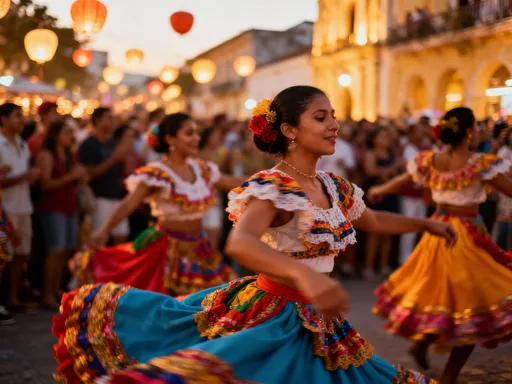
Cartagena, a jewel of the Caribbean coast, pulses with life during its festival season. The city’s colonial walls seem to breathe in rhythm with drums, marimbas, and the laughter of thousands. The most renowned event, the Festival de Música del Caribe, draws classical and contemporary artists from across Latin America and the world, transforming historic plazas into open-air concert halls. Equally influential is the regional energy of Carnaval de Barranquilla, whose spirit spills over into Cartagena’s celebrations, infusing them with elaborate costumes, cumbia rhythms, and a sense of unrestrained joy. These festivals are not mere tourist attractions—they are living expressions of cultural pride, centuries in the making, where African, Indigenous, and Spanish influences blend into something uniquely Colombian.
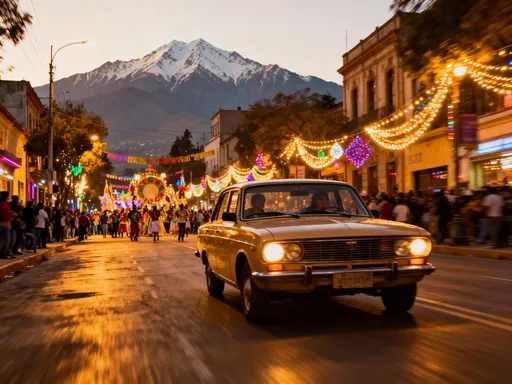
Yet for all their beauty, these events carry a duality that travelers often underestimate. The same energy that lifts spirits can also overwhelm them. Imagine stepping into Plaza de la Aduana at dusk, expecting a serene musical performance, only to be swallowed by a sea of bodies, heat, and noise. The crowd moves like a single organism, and personal space becomes a memory. Street vendors shout over amplified music, children weave through legs, and the scent of fried empanadas mingles with sweat and sunscreen. While exhilarating, this intensity can exhaust even the most enthusiastic visitor. Without preparation, the joy can give way to frustration, disorientation, or even anxiety.
I learned this firsthand during my first visit to the Festival de Música del Caribe. I had studied the schedule, packed light, and arrived early—only to realize that “early” meant nothing when tens of thousands share the same plan. My hotel was three blocks away, yet it took nearly 40 minutes to cover that distance due to bottlenecks near the cathedral. I hadn’t accounted for the lack of signage, the temporary barricades, or the fact that many locals simply know which alleys to take. That night, I stood at the edge of the crowd, more observer than participant, realizing that immersion requires more than enthusiasm—it demands strategy. The magic is real, but so is the madness. And without awareness, the latter can eclipse the former.
Timing Your Visit Right – Avoiding Peak Overload
One of the most overlooked aspects of festival travel is timing. Many visitors assume that attending on the official weekend guarantees the best experience—but the opposite is often true. The climax of major festivals, such as the final concert of the Festival de Música del Caribe or the main parade of the Carnaval season, draws peak attendance. During these hours, Cartagena’s Old Town, already compact, becomes nearly impassable. Streets that normally accommodate foot traffic comfortably are transformed into dense corridors of movement, where progress is measured in inches per minute.
Accommodation prices reflect this surge. Hotels and guesthouses within the walled city can charge two to three times their standard rates during festival weekends. Some travelers report booking months in advance only to find their reservations canceled or resold at higher prices due to demand. Even short-term rentals become scarce, with entire neighborhoods booked by event organizers or private groups. The result is a city stretched beyond its usual capacity, where basic logistics—like returning to your room or finding a quiet place to rest—become challenges.
However, a simple shift in timing can dramatically improve your experience. Arriving two to three days before the official peak allows you to settle in, explore at a relaxed pace, and attend early events with smaller crowds. These preliminary performances—often held in neighborhood plazas or cultural centers—are just as authentic, sometimes more so, than the headline acts. You’ll find easier access, shorter lines, and a chance to interact with local attendees who appreciate respectful visitors. Similarly, staying a day or two after the main events means you avoid the mass exodus, when buses are overbooked and taxis impossible to find. The city begins to breathe again, and you can enjoy a final stroll through quieter streets, still adorned with remnants of celebration—ribbons caught in balconies, hand-painted signs waving in the breeze.
Consider this: the final night’s fireworks over the bay may be spectacular, but so is watching families light candles at a neighborhood church the following evening, their faces glowing in the candlelight, singing softly in Spanish. Both are part of Cartagena’s soul—one is loud, the other quiet, but both are true. By adjusting your schedule, you gain access to both dimensions of the festival experience, not just the most photographed moments.
The Hidden Cost of “Free” Street Festivals
It’s common to hear that Cartagena’s festivals are “free”—and technically, they are. You won’t pay an entrance fee to walk through the historic district during Carnaval or to stand in the plaza during a musical performance. But the absence of tickets does not mean the absence of cost. In fact, the so-called free events often come with a suite of indirect expenses that can quietly inflate your budget. These hidden charges are not scams, but natural byproducts of high demand, limited supply, and the economics of celebration.
Transportation is one of the first areas where costs rise. Ride-hailing apps like Uber or Didi may impose surge pricing during peak festival hours, with fares doubling or tripling. Taxis, too, may quote flat rates that seem reasonable until you realize they’re based on congestion, not distance. A ten-minute ride across town can cost more than a meal for two. Even public transit options, such as colectivos—shared minibuses—may fill up quickly, forcing travelers to pay for alternatives they hadn’t planned for.
Dining is another major expense. Restaurants near major plazas often raise prices during festival season, sometimes by 150% or more. I recall ordering a simple bandeja paisa near Plaza Santo Domingo during peak evening hours and being handed a bill that was nearly triple the standard price. When I politely asked the server, she explained that the menu posted outside was for off-season rates and that festival pricing was now in effect. While not illegal, this practice can catch unprepared visitors off guard. Even bottled water and snacks sold by street vendors may cost twice their usual price near performance zones.
Additionally, many “free” events have premium tiers. VIP sections with seating, shade, and drink service are often available for purchase, subtly encouraging attendees to pay for comfort. While these can enhance the experience, they’re rarely advertised in advance, leading some travelers to feel pressured into spending once they’re already on-site. The key to managing these costs is not avoidance, but awareness. Research average prices before you go, carry cash in smaller denominations, and plan meals at local eateries just outside the main festival zones. Neighborhoods like Getsemaní or La Candelaria offer authentic cuisine at more stable prices, and many residents welcome visitors who explore beyond the tourist core.
Navigating Crowds and Staying Safe in Packed Zones
Large gatherings, while joyful, inherently carry safety considerations. In Cartagena’s festival zones, the primary risks are not violent crime but petty theft and personal discomfort due to overcrowding. Pickpocketing is the most common issue, particularly in densely packed areas like the approach to Plaza Bolívar or along parade routes where attention is focused on the spectacle, not surroundings. Thieves often work in teams, using distractions—such as sudden crowd surges or staged arguments—to create opportunities.
To stay safe, awareness is your strongest tool. Avoid carrying valuables in back pockets or loosely zipped bags. Crossbody bags worn in front are far more secure. Keep your phone in an inner pocket, not in hand, and never leave personal items unattended, even for a moment. Women traveling alone or in small groups should be especially mindful of their surroundings, though Cartagena remains generally safe for female travelers who exercise standard precautions.
Movement strategy also plays a crucial role. Instead of following the main flow of the crowd, consider using parallel side streets to reach your destination. Locals often do this, slipping through narrow alleys that connect major plazas. These routes may not be marked on tourist maps, but they offer faster, cooler, and less congested passage. If you must walk through a dense area, stay near the edges where it’s easier to monitor your space. Avoid bottlenecks such as narrow bridges or single-entry plazas, especially during peak hours.
Another valuable tip is to identify the presence of municipal police or event security. Officers in green or blue uniforms are usually stationed at major intersections and entrances. Their presence not only deters crime but also provides a resource if you feel unsafe or disoriented. Learning a few basic Spanish phrases—such as “¿Dónde está la salida?” (Where is the exit?) or “Necesito ayuda” (I need help)—can be invaluable in moments of stress. By blending in, moving with purpose, and staying alert, you reduce your visibility to opportunists and increase your comfort in the crowd.
Authentic Culture vs. Tourist Theater: Spotting the Difference
One of the greatest rewards of attending Cartagena’s festivals is connecting with authentic cultural expression. But not all performances are created equal. Some events are carefully curated for tourists—colorful, energetic, and photogenic, but lacking deep roots in local tradition. These “stage shows” may feature professional dancers in elaborate costumes, but they often occur in commercial plazas or private venues designed to maximize ticket sales and social media exposure. While entertaining, they can feel more like cultural exhibitions than lived experiences.
True authenticity is found in community-led events—what locals call *verbenas*. These are neighborhood celebrations, often organized by churches, schools, or family associations, where music, food, and dance emerge organically. You’ll find them in barrios like San Diego or Manga, where children dance in handmade costumes, elders play traditional instruments, and meals are shared on long tables under string lights. There’s no stage, no ticket booth, and often no announcement—just the sound of drums pulling you down a side street.
Participating in these gatherings requires respect. Never intrude with cameras or loud voices. If invited to join, do so with humility and gratitude. A simple “¿Puedo bailar?” (Can I dance?) goes a long way. These moments are not performances; they are acts of community. By engaging thoughtfully, you become part of the celebration rather than a spectator.
Another way to find authenticity is to attend religious or ceremonial events tied to the festival calendar. The processions during Holy Week, for example, or the blessing of the sea during local patron saint festivals, offer profound insight into the spiritual dimensions of Cartagena’s culture. These are not tourist attractions—they are deeply meaningful rituals. Observing them quietly, with reverence, allows you to witness the soul of the city in a way no parade ever could.
Transportation Traps and How to Beat Them
Getting around during festival season is one of the most underestimated challenges. Cartagena’s historic center was not designed for mass transit, and during major events, vehicle access is heavily restricted. Roads leading to plazas are closed to traffic, detours are common, and GPS navigation often fails due to signal interference or outdated maps. Ride-hailing apps may show available drivers, but actual pickup times can stretch to 30 minutes or more as drivers navigate blocked streets.
Taxi scams are another concern. Some drivers, taking advantage of demand, quote one price and charge another, or take unnecessarily long routes. To avoid this, insist on meters being used or agree on a fare before departure. Better yet, use official taxi stands or hotel-arranged transportation. If using apps, verify the license plate and driver photo before entering the vehicle.
A smarter alternative is to embrace walking and local transit. The colectivo system—shared minivans that follow informal routes—is widely used by residents and offers an affordable, efficient way to cross the city. They may not appear on tourist maps, but hotel staff or restaurant workers can often point you to nearby stops. Routes connecting Getsemaní to Bocagrande or the airport are particularly useful. While less comfortable than private cars, colectivos get you moving when other options fail.
Planning ahead is essential. Download offline maps of Cartagena’s Old Town, mark key landmarks, and identify pedestrian-friendly routes. Many locals use the seawall path along the bay to bypass congested streets—this scenic route is both practical and beautiful. Additionally, check the city’s municipal website or social media for transit alerts and road closures during festival dates. A few minutes of preparation can save hours of frustration.
Maximizing Joy, Minimizing Regret: A Smarter Festival Strategy
The ultimate goal of any festival journey is not to see everything, but to feel something meaningful. The most joyful experiences often come not from ticking off events, but from moments of connection—sharing a meal with a local family, dancing with strangers under a full moon, or simply sitting on a bench and listening to the city breathe between parades. To cultivate these moments, balance is essential.
A smarter festival strategy combines preparation with spontaneity. Research the schedule, book accommodations early, and pack essentials: lightweight clothing, sunscreen, a reusable water bottle, and a small crossbody bag. But don’t over-schedule. Leave room for unplanned discoveries—like a street musician playing vallenato in a quiet courtyard or a group of children teaching you a dance step. These are the memories that last.
Hydration and rest are just as important as sightseeing. Cartagena’s tropical climate, combined with long hours on your feet, can lead to fatigue or heat exhaustion. Carry water, seek shade when possible, and don’t hesitate to retreat to your hotel or a quiet café during the hottest hours. Stepping back is not quitting—it’s preserving your energy for the moments that matter.
Finally, remember that the soul of Cartagena is not in the grandest parade or the most famous concert. It’s in the everyday rhythms that continue beneath the celebration—the fisherman mending his net at dawn, the grandmother selling arepas on a corner, the way neighbors greet each other by name. By avoiding the pitfalls of overcrowding, overspending, and overexertion, you create space to experience this deeper truth. You don’t just witness the culture—you become part of it, even if only for a few days. And that, more than any photo or souvenir, is the real prize of travel.