Taste of Nuremberg: A Slow Traveler’s Journey Through Flavor and Time
Have you ever wandered a city just to follow the scent of roasted meat and freshly baked bread? In Nuremberg, that’s exactly what happens when you slow down. This isn’t a place to rush through—it’s a city to savor, bite by bite. From historic alleys to hidden markets, every corner offers a taste of tradition. I discovered that true travel joy lies not in checking sights off a list, but in lingering over local flavors and unexpected conversations. Nuremberg invites you to pause, to breathe in the aroma of grilled sausages and spiced gingerbread, and to connect with a culture where food is memory, history is alive, and time moves with purpose.
Why Slow Travel Works Best in Nuremberg
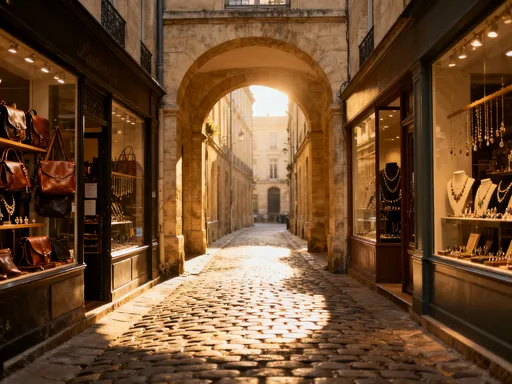
Nuremberg is a city built for walking, not racing. Its medieval heart, enclosed by ancient stone walls, is compact enough to explore on foot yet rich enough in layers to reward days of wandering. The cobblestone streets of the Altstadt wind like a labyrinth, leading past timber-framed houses, centuries-old churches, and tucked-away courtyards where laundry flutters in the breeze. This intimacy makes Nuremberg uniquely suited to slow travel—a style of exploration that prioritizes presence over pace, depth over distance. Unlike larger cities that demand transit schedules and hurried itineraries, Nuremberg unfolds naturally, inviting visitors to meander without maps and discover beauty in the unplanned.
The rhythm of life here reflects a deep-rooted cultural value known as *Gemütlichkeit*—a German concept that blends coziness, warmth, and a sense of belonging. It’s found in the way locals greet each other by name at their neighborhood bakery, in the unhurried service at a centuries-old tavern, and in the way families gather at market stalls on Saturday mornings. This atmosphere doesn’t accommodate haste. Instead, it encourages visitors to slow down, sit longer, and savor not just the food but the moments between bites. A rushed two-hour tour through Hauptmarkt barely scratches the surface; a three-day stay allows space to absorb the city’s soul.
Spending multiple days in Nuremberg transforms the experience from sightseeing to immersion. You begin to notice patterns—the baker who opens at 6:30 a.m. with trays of fresh *Weckla* (Bavarian rolls), the elderly man who feeds pigeons by the Pegnitz River each afternoon, the changing displays at the weekly farmers’ market. These quiet rhythms form the true character of the city. Staying in a family-run guesthouse rather than a chain hotel further deepens this connection, offering personal recommendations and local insights no guidebook can provide. Slow travel here isn’t a luxury—it’s the only way to truly understand Nuremberg.
The Heartbeat of the City: Nuremberg Market Culture
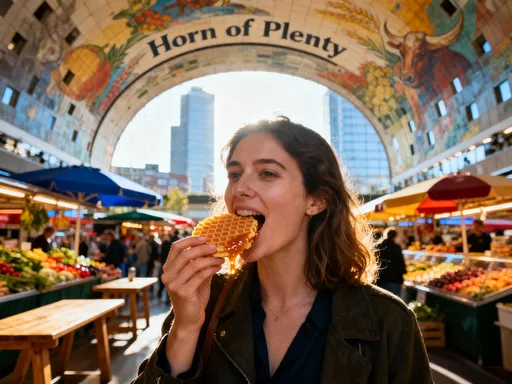
If Nuremberg has a pulse, it beats strongest in its markets. The Hauptmarkt, the city’s central square, comes alive every morning with the energy of vendors setting up wooden stalls beneath colorful awnings. This is not a tourist showpiece but a living marketplace where locals shop for their daily meals. The air fills with the scent of ripe apples, wild mushrooms, and fresh herbs bundled in twine. Seasonal produce takes center stage—crisp white asparagus in spring, plump cherries in summer, and earthy pumpkins in autumn. Each visit reveals the agricultural calendar of Franconia, the region surrounding Nuremberg, where small farms supply much of what appears on tables.
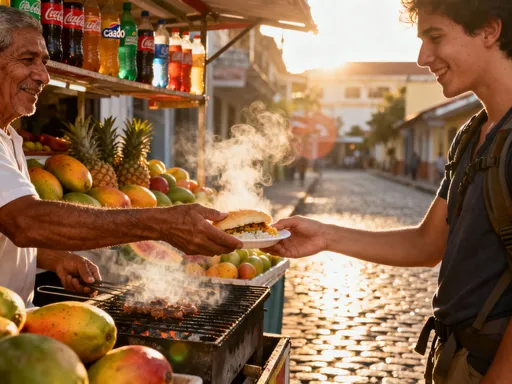
Beyond the produce, the market is a showcase of regional specialties. Stalls overflow with smoked cheeses, jars of golden honey from nearby forests, and wheels of tangy sauerkraut made using family recipes passed down for generations. One of the most popular stops is the bratwurst stand, where thin, golden sausages sizzle over beechwood coals—a tradition unchanged for centuries. But the real magic happens in the conversations. A vendor might explain how her leeks were grown without pesticides, or an older woman might recommend the best time to buy fresh quark. These exchanges, brief as they may be, create a sense of shared community and authenticity that no pre-packaged tour can replicate.
Smaller neighborhood markets, like those in Gostenhof or the Südstadt district, offer a more intimate experience. Here, the crowds thin, and the pace slows even further. You’re more likely to see residents with reusable cloth bags, chatting with their favorite fishmonger or baker. These markets often feature unique items not found in the main square—handmade preserves, organic eggs from backyard chickens, or artisan breads baked with heritage grains. Shopping here feels less like a transaction and more like participation in a daily ritual. For the slow traveler, these markets are not just places to buy food—they are windows into the values of sustainability, seasonality, and craftsmanship that define Franconian life.
Nuremberg’s Iconic Bratwurst: More Than Just a Sausage
No journey through Nuremberg is complete without encountering its most famous culinary export: the Nürnberger Rostbratwurst. These small, slender sausages—typically served in sets of six, eight, or twelve—are more than a meal; they are a symbol of the city’s culinary identity. What sets them apart is not just their flavor but their heritage. Since 2003, the name “Nürnberger Rostbratwurst” has been protected under European Union law, meaning only sausages made within the city limits, following strict traditional methods, can bear the title. This designation ensures quality, authenticity, and respect for centuries-old practices.
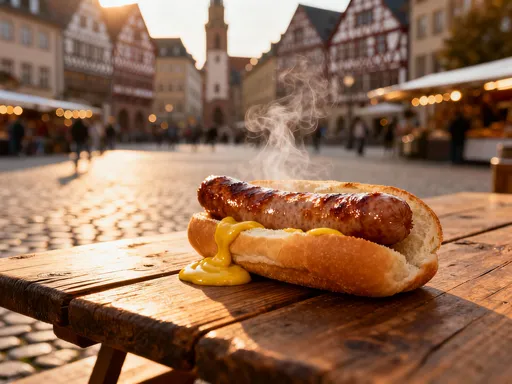
The sausages are made from finely ground pork seasoned with marjoram, pepper, and other spices, then stuffed into natural casings. They are traditionally grilled over beechwood, which imparts a delicate smokiness without overpowering the meat. The result is a sausage with a crisp, golden-brown exterior that gives way with a satisfying snap, releasing juices that mingle perfectly with a dollop of sharp Franconian mustard. Served in a fresh roll or alongside sauerkraut and potato salad, they offer a complete taste of regional tradition. The small size encourages mindful eating—each bite meant to be appreciated, not rushed.
The best places to enjoy them remain the historic *Bratwursthäusle*, a timber-framed restaurant near the Frauenkirche that has served sausages since 1313, and smaller family-run stands tucked into alleyways. These spots don’t rely on gimmicks or modern decor; their reputation rests on consistency and craftsmanship. Tourists often line up, but locals still come daily, a testament to enduring quality. Eating a Nürnberger Rostbratwurst here isn’t just about satisfying hunger—it’s about participating in a tradition that has fed generations. In a world of fast food and mass production, this humble sausage stands as a quiet act of culinary resistance, reminding us that some things are worth doing slowly and with care.
Beyond Sausages: The Layers of Franconian Cuisine
While bratwurst may be Nuremberg’s most famous dish, Franconian cuisine offers a rich tapestry of flavors waiting to be explored. Rooted in rural traditions and seasonal availability, the region’s food emphasizes heartiness, simplicity, and deep respect for ingredients. One standout is *Schäufele*, a slow-roasted pork shoulder named for its resemblance to a small shovel. Cooked for hours until the skin crackles and the meat falls easily from the bone, it’s often served with dark beer gravy and potato dumplings. The dish speaks to a time when meals were built around preserving and transforming cuts of meat, minimizing waste and maximizing flavor.
Another beloved comfort food is *Käsespätzle*, a rich blend of soft egg noodles smothered in melted cheese, caramelized onions, and butter. While often compared to Swiss or Austrian versions, the Franconian take tends to be more generous with the cheese and less reliant on cream, letting the quality of the dairy shine. It’s the kind of dish that warms you from the inside, perfect after a long walk through winter streets. Equally cherished are *Dampfnudeln*, sweet steamed buns made from yeast dough and traditionally served with vanilla sauce or fruit compote. These tender, slightly chewy treats are often enjoyed on Sundays or religious holidays, linking food to ritual and family time.
These dishes are best experienced in traditional inns known as *Brauhäuser* and *Wirtshäuser*, many of which have operated for over a century. These establishments are more than restaurants—they are cultural keepers. At Zum Guldenen Stern, one of the oldest inns in the city, the menu changes with the seasons and the brewmaster still draws beer from wooden casks. The atmosphere is warm, with wooden beams, checked tablecloths, and the hum of conversation in thick Franconian dialect. Here, meals unfold over hours, with time for second helpings, local beer pairings, and spontaneous chats with fellow diners. In these spaces, food is not a commodity but a celebration of place, history, and connection.
Baking Traditions: From Lebkuchen to Christmas Markets
Nuremberg’s reputation as a baking capital rests largely on one iconic treat: *Lebkuchen*, the spiced gingerbread that has been made in the city for over 600 years. Unlike mass-produced versions, authentic Nürnberger Lebkuchen is crafted using time-honored methods—hand-mixed dough, slow baking, and often finished with a delicate layer of chocolate or royal icing. The spices—cinnamon, cloves, nutmeg, and cardamom—were once rare and expensive, imported through historic trade routes, giving Lebkuchen its luxurious status. Today, it remains a symbol of craftsmanship and celebration.
The city is home to renowned bakeries like Lebkuchen-Schmidt and Albrecht, where generations of bakers have guarded family recipes. Some still use the same wooden molds and stone ovens as their ancestors. Visitors can tour these workshops, watching as dough is rolled, cut, and baked in rhythmic succession. The scent alone—a warm blend of honey, spice, and toasted almonds—is enough to draw people in from the street. While Lebkuchen is most associated with the Christmas season, it is available year-round, enjoyed with coffee in the afternoon or given as a gift to mark special occasions.
The Christmas markets amplify this tradition, transforming the Hauptmarkt into a glittering wonderland each winter. Wooden stalls draped in garlands sell heart-shaped Lebkuchen decorated with names, strings of edible gingerbread men, and towering pyramids of spice cookies. But the magic isn’t just visual—it’s sensory. Children press their noses against glass cases, elders sip hot Glühwein, and couples stroll hand in hand beneath strings of lights. The season draws crowds from across Europe, yet it remains deeply local in spirit. For residents, it’s not a commercial event but a continuation of customs passed down through families. Even outside December, bakeries keep the spirit alive, ensuring that the taste of tradition never fades.
Practical Tips for a Flavor-Focused Slow Visit
Planning a slow, flavor-centered trip to Nuremberg begins with thoughtful logistics. Accommodation should prioritize location and character—opt for family-run guesthouses or boutique hotels within or near the Altstadt. Areas like Lorenzer Altstadt or the Gostenhof district offer quiet streets with easy access to markets, bakeries, and restaurants. Staying centrally allows for spontaneous morning walks to the bakery or late-night strolls without relying on public transport. Look for places that include breakfast with local products—fresh bread, homemade jam, and regional cheese—as this sets the tone for a food-rich experience.
Meal planning should align with market hours. The Hauptmarkt operates Tuesday through Saturday, with peak activity between 8 a.m. and 2 p.m. This is the ideal time to shop for picnic supplies or sample street food. Many traditional restaurants serve lunch from 11:30 a.m. to 2:30 p.m. and dinner from 5:30 p.m. onward, with a break in between—a custom that encourages midday relaxation. Reservations are recommended for popular *Brauhäuser*, especially on weekends. To avoid crowds, consider dining early or late, or explore lesser-known inns in residential neighborhoods.
Walking routes can be organized by neighborhood. Begin in the Hauptmarkt, then follow the Pegnitz River to the Fleischbrücke, passing historic towers and hidden gardens. The path leads naturally to the Handwerkerhof, a restored artisan courtyard with craftsmen and food stalls. Another rewarding route connects the Südstadt market to the St. Lawrence Church, winding through tree-lined streets with pastel-colored homes. Allow time for unplanned stops—a café with outdoor seating, a street musician, a shop window filled with hand-painted ornaments. The goal is not to cover ground but to absorb atmosphere. Carry a small bag for market purchases and a reusable water bottle to stay hydrated between coffee breaks.
How Food Connects You to Nuremberg’s Soul
In the end, what makes Nuremberg unforgettable is not just what you see, but what you taste. Food here is a bridge—to history, to people, to the present moment. When you sit at a wooden table in a centuries-old inn, sharing a platter of Schäufele with a local family, you’re not just eating; you’re participating in a tradition older than nations. When you buy Lebkuchen from a vendor who remembers your name from last year, you’re not just shopping; you’re building connection. These moments, simple as they may seem, are the heart of meaningful travel.
Taste is one of the most powerful senses tied to memory. A whiff of marjoram on a grilled sausage can transport you back to a winter morning in the Hauptmarkt. The sweetness of Dampfnudeln might remind you of a quiet Sunday in a sunlit café. These sensory imprints linger long after photos fade. They shape how we remember places not as collections of landmarks, but as living, breathing experiences. In Nuremberg, where food is made with patience and pride, every meal becomes a story worth remembering.
Eating mindfully in this city is more than enjoyment—it’s a form of cultural respect. It means honoring the farmers who grow the food, the bakers who rise before dawn, and the families who keep traditions alive. It means choosing quality over speed, conversation over isolation, presence over distraction. In a world that often feels rushed and disconnected, Nuremberg offers a different rhythm. It invites you to slow down, to savor, and to discover that the deepest joys of travel are often found not in the grandest sights, but in the simplest bites. Come for the history, stay for the flavors, and leave with a heart full of memories made one meal at a time.