One Step at a Time: Discovering Antalya’s Hidden Trails and Timeless Landscapes
Have you ever felt the rush of standing atop a cliff, sea breeze in your hair, with ancient stone paths winding beneath your feet? That was me in Antalya—where every hike tells a story. Beyond the sun-soaked beaches and resort buzz lies a wilder side: rugged mountains, forgotten villages, and trails that lead straight into history. This is not just a getaway; it’s a journey through nature, culture, and self-discovery. Walking here is more than movement—it’s a way of seeing, feeling, and remembering. In Antalya, the land remembers empires, earthquakes, and the quiet footsteps of shepherds for millennia. To walk its paths is to become part of that story, one deliberate, meaningful step at a time.
Why Hiking Transforms the Way We Travel
Walking reshapes our relationship with a place. Unlike the swift transitions of car travel or the passive gaze from a tour bus window, hiking demands presence. Each footfall grounds us in the terrain, making the journey inseparable from the destination. In Antalya, this shift is profound. The region, long celebrated for its coastal resorts and Mediterranean charm, reveals a deeper identity when approached on foot. Hiking transforms sightseeing into immersion, allowing travelers to experience not just views, but textures—the crunch of limestone underfoot, the scent of wild thyme after rain, the warmth of sun-baked stone walls beside the trail. These sensory details accumulate into a richer, more personal memory of place.
The benefits of this active form of travel extend beyond the scenic. Studies have shown that physical movement, especially in natural settings, supports mental clarity and emotional well-being. The rhythmic pace of walking encourages reflection, reducing stress and fostering mindfulness. For many women between 30 and 55—often balancing family, work, and personal needs—hiking offers a rare opportunity for both solitude and strength. It is gentle yet empowering, requiring no special skill, only willingness. In Antalya, where trails wind through diverse landscapes, this form of travel becomes accessible to many, regardless of experience level. The act of walking becomes a quiet rebellion against the hurried pace of modern life.
Antalya serves as an ideal case study in movement-based travel. Its geography, shaped by the collision of sea and mountain, offers a natural network of paths that invite exploration. From coastal ridgelines to highland plateaus, the region rewards those who choose to move slowly. Each trail reveals layers of history, ecology, and human resilience. By choosing to hike, travelers shift from observers to participants. They pass through olive groves tended for generations, pause at cisterns carved by ancient hands, and share simple greetings with villagers. This is travel with depth, where every mile walked adds meaning to the experience.
Antalya Beyond the Resorts: A Landscape Built for Walkers
While Antalya is widely known for its luxury hotels and beachfront promenades, its true character lies inland. The province spans dramatic elevations—from sea level to over 3,000 meters in the Taurus Mountains—creating a mosaic of ecosystems ideal for trail walking. Along the coast, limestone cliffs plunge into the Mediterranean, their edges traced by narrow footpaths used for centuries by shepherds and traders. Inland, dense pine forests blanket the hillsides, offering shade and the crisp scent of resin. Higher still, alpine meadows bloom in spring with wildflowers, while snow dusts the peaks in winter. This variety ensures that hikers encounter constantly shifting scenery, never two kilometers alike.
The region’s natural structure supports sustainable exploration. Unlike destinations where tourism is confined to isolated attractions, Antalya’s geography encourages linear travel—moving from point to point along ancient routes. This makes it perfect for multi-day hikes or shorter excursions that still feel like true journeys. The terrain, while sometimes challenging, is rarely impassable. Trails follow natural contours, and many are well-maintained thanks to local conservation efforts and international recognition, particularly along the Lycian Way. Even casual walkers can find rewarding paths that offer safety, clear signage, and breathtaking views without requiring technical skill.
Among the most celebrated routes is the Lycian Way, a long-distance trail stretching over 500 kilometers from Fethiye to Antalya. But beyond this famous path, countless lesser-known trails crisscross the countryside. Rural highland routes connect mountain villages where life continues much as it has for generations. These paths wind through terraced farms, cross stone footbridges, and pass by springs where locals still gather water. For travelers seeking authenticity, these trails offer a glimpse into a quieter, more enduring Turkey—one shaped by seasons, agriculture, and community rather than mass tourism.
Accessibility is another strength of Antalya’s hiking landscape. Many trailheads are within an hour’s drive of major towns like Kemer or Alanya, making day hikes feasible for those staying in resorts. At the same time, rural guesthouses and family-run pensions increasingly cater to walkers, offering simple, clean accommodations with home-cooked meals. This blend of convenience and authenticity makes Antalya uniquely suited for a wide range of travelers. Whether you seek a half-day walk along the coast or a week-long trek through the mountains, the land invites you to explore at your own pace.
The Lycian Way: Where History Meets Horizon
The Lycian Way is more than a trail—it is a living timeline. Established in the 1990s by British expatriate Kate Clow, this long-distance route follows ancient pathways used by the Lycian civilization over 2,000 years ago. As it passes through the Antalya region, it connects a remarkable sequence of archaeological sites, many of which are only accessible on foot. Hikers walk where Lycian merchants once traded, where Roman soldiers marched, and where Byzantine monks sought solitude. The trail does not merely pass through history; it is built upon it, with original stone steps and carved inscriptions still visible in places.
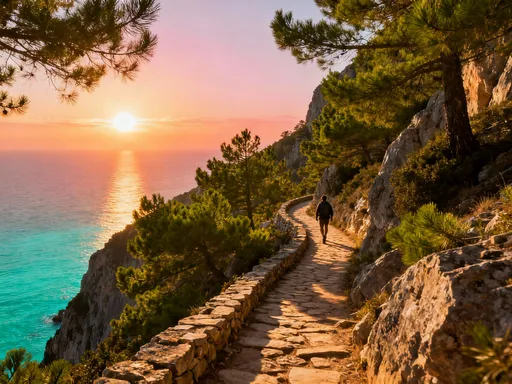
One of the most iconic sections lies between the villages of Adrasan and Olympos. Here, the path hugs the coastline, offering uninterrupted views of the turquoise sea. Hikers descend through fragrant pine forests to reach the ruins of Olympos, an ancient city half-swallowed by vegetation. Nearby, the eternal flames of Yanartaş—natural methane vents burning from the mountainside—add a mystical quality to the landscape. Further inland, the trail climbs into the Taurus range, crossing high passes like the Belbaşı Plateau, where panoramic views stretch for miles. Each segment tells a different story, shaped by geology, climate, and human presence.
Trail conditions vary but are generally well-marked with red-and-white painted blazes. Most hikers choose spring or autumn for their journey, when temperatures are mild and wildflowers are in bloom. Summer can be extremely hot along the coast, while winter brings snow to higher elevations, closing some routes. Local guides and walking tour companies offer support for independent trekkers, providing luggage transfers, route advice, and emergency contacts. Many travelers opt for shorter sections of the trail, completing it in stages over multiple visits. This flexibility makes the Lycian Way accessible not just to seasoned hikers, but to anyone with a sense of adventure.
What sets the Lycian Way apart is its depth of cultural layering. As you walk, you encounter Lycian rock tombs carved into cliff faces, Roman aqueducts, and Byzantine churches—all within a single day’s hike. These are not isolated monuments behind glass, but integral parts of the landscape, weathered by time and still in use by local communities. Shepherds graze their flocks near ancient ruins; farmers use Roman-era terraces to grow vegetables. This continuity between past and present gives the trail a unique emotional resonance. To walk it is to feel connected not just to history, but to the enduring rhythms of human life.
Off-the-Beaten-Path: Hidden Valleys and Authentic Villages
Beyond the well-trodden sections of the Lycian Way lie quieter trails that lead into the heart of rural Antalya. Villages like Sorgun, Çamlıca, and Geyikbayırı are nestled in highland valleys, accessible only by narrow roads or footpaths. These communities have preserved traditional ways of life, relying on subsistence farming, animal husbandry, and seasonal migration. Walking through these areas offers a rare intimacy with Turkish village culture—one that is rarely seen by resort tourists. Stone houses with red-tiled roofs cluster on hillsides, surrounded by terraced fields where women harvest herbs and men tend goats.
The trails connecting these villages are often unpaved and unmarked, following animal tracks and centuries-old routes. They pass through walnut groves, cross clear mountain streams, and lead to hidden meadows where wildflowers bloom in spring. Hikers may encounter shepherds with wooden staffs, guiding flocks through narrow passes, or elderly villagers sitting outside their homes, offering tea with quiet hospitality. These moments of human connection, simple and unscripted, are among the most memorable aspects of off-trail hiking. There is no performance, no expectation—only genuine interaction rooted in mutual respect.
Cultural richness abounds in these remote areas. Traditional music, weaving, and cooking methods are still practiced, often passed down through generations. In some villages, women gather to make *yufka* bread in communal ovens, their laughter echoing in the cool morning air. Local festivals celebrate harvests or religious holidays with folk dances and shared meals. For travelers, observing or participating in these traditions—always with permission and humility—can be deeply moving. It is a reminder that tourism need not be extractive; it can be reciprocal, enriching both visitor and host.
Responsible trekking is essential in these sensitive environments. Travelers should follow low-impact principles: staying on established paths, avoiding littering, and refraining from picking plants or disturbing wildlife. When visiting homes or farms, it is customary to greet elders first and accept offerings of food or drink as a sign of respect. Learning a few basic Turkish phrases—such as *merhaba* (hello), *teşekkür ederim* (thank you), and *iyi günler* (have a good day)—goes a long way in building goodwill. By walking gently and engaging thoughtfully, hikers can help preserve these communities and their way of life.
Coastal Trails: Walking Between Sea and Sky
Antalya’s coastline is a masterpiece of contrast—where the deep blue of the Mediterranean meets the stark white of limestone cliffs. Along this edge, a network of coastal trails offers some of the most dramatic walking experiences in the region. These paths are not for the faint of heart; many cling to narrow ledges with sheer drops to the sea below. Yet they reward the cautious hiker with unparalleled vistas. On clear days, the water sparkles in shades of turquoise and sapphire, while cormorants dive for fish and kestrels hover on coastal breezes.
One popular day hike begins near the town of Kemer and follows the shoreline toward Mount Tahtalı, home to the Olympos Teleferik cable car. The trail winds through pine-scented slopes, opening suddenly to breathtaking overlooks. Stone steps, some ancient, others recently restored, guide the way. Along the route, hikers may spot remnants of old watchtowers or cisterns, silent witnesses to centuries of maritime activity. The air carries the salt of the sea mixed with the fragrance of wild herbs—oregano, sage, and bay leaf—growing in rocky crevices.
For those seeking shorter excursions, the path from Adrasan to Çıralı is ideal. This 6-kilometer stretch is mostly flat, shaded in parts by pines, and ends at the beachside village of Çıralı, known for its organic farms and relaxed atmosphere. The trail passes through groves of carob and olive trees, with frequent access points to the sea. It is particularly beautiful at sunrise, when the light gilds the water and the beach is nearly empty. Families, solo travelers, and older hikers alike find this route manageable and deeply satisfying.
Safety is paramount on coastal trails. Hikers should carry ample water, wear sturdy footwear with good grip, and avoid walking during the midday heat. Sun protection—hats, sunscreen, and lightweight clothing—is essential. Trail markings are generally reliable, but it is wise to carry a map or GPS device, especially in remote areas. Local authorities have improved access in recent years, installing railings and warning signs at dangerous points. By respecting the environment and preparing properly, travelers can enjoy these stunning routes with confidence and peace of mind.
Practical Guide: Planning Your Antalya Hiking Adventure
Preparation is key to a successful hiking experience in Antalya. The right gear makes a significant difference in comfort and safety. Hikers should prioritize lightweight, moisture-wicking clothing and a well-fitted backpack with a rain cover. A wide-brimmed hat, polarized sunglasses, and high-SPF sunscreen protect against strong Mediterranean sun. Footwear is especially important—sturdy hiking boots with ankle support are recommended for mountain trails, while trail shoes may suffice for easier coastal paths. Break in new shoes before the trip to prevent blisters.
Hydration is critical. Carry at least two liters of water per person for full-day hikes, and consider a portable water filter or purification tablets for longer treks where refills are uncertain. Snacks rich in protein and complex carbohydrates—such as nuts, dried fruit, and energy bars—help maintain energy levels. A basic first-aid kit, including blister treatment, antiseptic wipes, and pain relievers, should always be included. Navigation tools like a detailed topographic map, compass, or GPS-enabled smartphone app are essential, especially on less-marked routes.
The best times to hike in Antalya are spring (April to early June) and autumn (September to November). During these seasons, temperatures are mild, ranging from 18°C to 28°C, and the landscape is at its most vibrant. Summer months bring intense heat, particularly along the coast, making early morning starts essential. Winter can be cold and wet in the highlands, with snow blocking higher passes, though lower-elevation trails remain accessible. Always check local weather conditions before setting out.
Transportation to trailheads is usually straightforward. Many routes are accessible by public bus or dolmuş (minibus) from towns like Antalya, Kemer, or Fethiye. Renting a car offers more flexibility, especially for remote starts. Accommodations range from eco-lodges and village pensions to mid-range hotels near trail access points. Booking in advance is advisable during peak seasons. For those unfamiliar with the area, joining a guided walking tour can provide peace of mind, with experts handling logistics, meals, and route planning. These tours often emphasize cultural exchange and sustainable practices, aligning with responsible travel values.
The Bigger Picture: Sustainable Travel Through Footsteps
Hiking is inherently sustainable. Unlike motorized tours that consume fuel and generate noise and emissions, walking leaves almost no environmental footprint. In Antalya, where fragile ecosystems and historic sites require protection, choosing to travel on foot is a quiet act of stewardship. It aligns with the growing global movement toward eco-conscious tourism—one that values preservation over consumption. By walking, travelers reduce their impact while deepening their connection to the places they visit.
The benefits extend to local communities. When hikers stay in family-run guesthouses, eat at village cafes, or buy handmade crafts, they directly support rural economies. This form of tourism encourages the preservation of traditional skills and cultural heritage. It also fosters mutual understanding, as hosts and visitors share stories and experiences. In contrast to large resorts that often isolate tourists from local life, hiking promotes integration and respect. It reminds us that travel is not just about seeing new places, but about building bridges between people.
Practicing Leave No Trace principles is essential. Hikers should carry out all trash, avoid disturbing wildlife, and refrain from removing natural or cultural artifacts. Staying on marked trails prevents erosion and protects plant life. When camping, use designated sites and keep fires small or avoid them altogether. These small actions, multiplied across thousands of travelers, can have a powerful cumulative effect. They help ensure that Antalya’s trails remain beautiful and accessible for future generations.
Ultimately, hiking in Antalya is about more than physical movement. It is a way of seeing the world with greater attention and humility. It invites us to slow down, to listen, to notice the small details—the pattern of stone in an ancient wall, the call of a distant shepherd, the way light falls on a valley at dusk. In a time when travel often feels rushed and superficial, walking offers a return to authenticity. Antalya, with its timeless landscapes and hidden paths, reminds us that the best journeys are not measured in kilometers, but in moments of connection. One step at a time, we rediscover not only the world, but ourselves.