Lucerne Unfiltered: Where Culture Meets Camera-Ready Magic
You know that feeling when a city just gets you? Lucerne isn’t just postcard-pretty—it’s alive with rhythm, color, and moments that beg to be captured. I didn’t expect its cultural heartbeat to hit so hard: centuries-old festivals, lakeside stages, and streets pulsing with art. This isn’t just travel—it’s storytelling with your lens. If you’re chasing authenticity and serious wow shots, Lucerne’s cultural scene delivers. Let me show you why every frame here feels like a memory before it’s even developed.
The Soul of Lucerne: More Than Just Scenery
Lucerne is more than a jewel on the edge of a lake; it’s a living canvas where history, nature, and creativity converge. Nestled between the shimmering waters of Lake Lucerne and the watchful peaks of Mount Pilatus and Rigi, the city offers a rare harmony of grandeur and intimacy. Its compact center—easily explored on foot—allows travelers to move seamlessly from medieval alleyways to modern performance halls without losing the thread of place. This accessibility deepens the sense of immersion, turning a simple walk into a curated cultural journey.
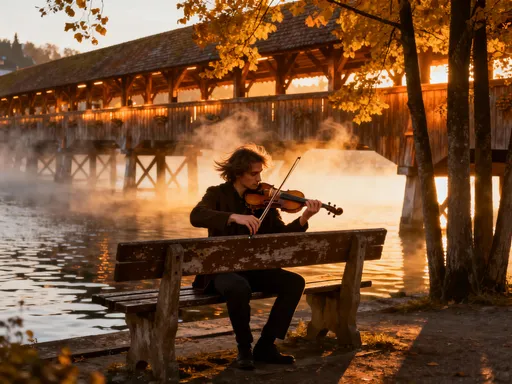
What sets Lucerne apart is how effortlessly it blends Swiss precision with expressive artistry. The Kapellbrücke, Europe’s oldest covered wooden bridge, stands as both an engineering marvel and a canvas of 17th-century paintings that tell sacred stories. Each morning, as sunlight filters through its beams, casting golden patterns on the Reuss River below, the bridge becomes a natural stage for photographers. The water mirrors its weathered timbers and intricate frescoes, creating a reflection that feels almost dreamlike.
Equally compelling is the city’s rhythm—a quiet confidence in its traditions paired with openness to contemporary expression. Whether it’s a classical quartet rehearsing in a sunlit chapel or a local artist sketching by the water, Lucerne’s cultural pulse is constant but never forced. There’s no need to chase authenticity here; it unfolds naturally, inviting quiet observation and thoughtful framing. For those with a camera, this means opportunities abound—not just for beautiful images, but for meaningful ones.
The city’s topography further enhances its visual storytelling potential. Hillsides slope gently into the lake, offering layered perspectives ideal for depth and composition. Narrow cobblestone lanes open suddenly into broad plazas, creating natural transitions between intimacy and expanse. These shifts in scale allow photographers to play with contrast—between shadow and light, stillness and motion, old and new. Lucerne doesn’t demand dramatic techniques to shine; it rewards presence, patience, and a willingness to see beyond the obvious.
Festivals That Stop Time: The Lucerne Carnival & Beyond
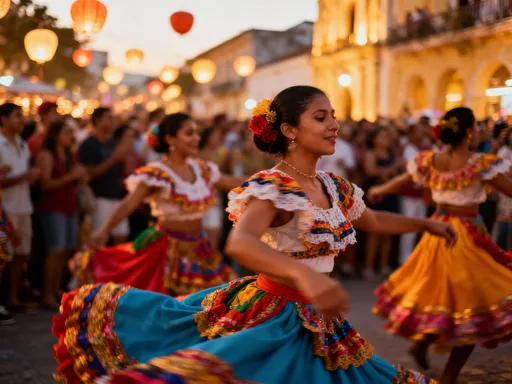
If there’s a moment when Lucerne truly comes alive in full color and sound, it’s during Fasnacht, the city’s legendary carnival. Held annually in the weeks leading up to Lent, this centuries-old celebration transforms the historic center into a moving tapestry of music, masks, and merriment. Locals don elaborate handmade costumes—some towering over pedestrians, others adorned with jingling bells and hand-painted faces—while marching bands known as Guggenmusik fill the air with rhythmic brass and drumbeats that echo off stone facades.
For photographers, Fasnacht is a goldmine of dynamic imagery. The festival’s spontaneity lends itself to candid shots: children laughing beneath feathered headdresses, elderly couples dancing in cobbled squares, and costumed performers striking theatrical poses against the backdrop of baroque buildings. The play of light through masks, the blur of motion in parades, and the rich textures of fabrics create visually layered compositions. Because the event unfolds organically across multiple days and districts, there’s no single ‘best’ angle—instead, success comes from wandering with intention and staying alert to fleeting moments.
While Fasnacht is the most vibrant, it’s far from the only cultural highlight. The Lucerne Blues Festival each summer draws international talent to open-air stages along the lakeshore. As the sun dips behind the mountains, electric guitar riffs blend with lapping waves, and silhouettes of swaying listeners frame the scene. The contrast between the natural serenity of the lake and the raw energy of live blues creates a powerful visual narrative—one that speaks to Lucerne’s ability to host global culture without losing its local soul.
Winter brings its own enchantment with Winterzauber, a seasonal festival that turns the city into a glowing wonderland. Twinkling lights drape across bridges, artisan markets line the promenade, and the scent of mulled wine drifts through the air. Ice-skating rinks pop up near the KKL, offering reflections of skaters under soft illumination—ideal for long-exposure photography. These events are not staged for tourists; they are deeply rooted in community life, giving visitors a chance to witness and document traditions that have warmed Lucerne for generations.
Timing your visit to align with these festivals can dramatically enrich your experience. While Lucerne is visually compelling year-round, these cultural peaks offer layered storytelling potential. They provide context, emotion, and movement—elements that elevate travel photography from documentation to art. Planning ahead ensures access to prime viewing and shooting locations, but even spontaneous arrivals can stumble upon joyous street performances or impromptu gatherings that feel just as authentic.
Music in the Air: Open-Air Performances and Hidden Gigs
Lucerne’s relationship with music runs deep, and its soundscape is one of the city’s most underrated cultural assets. The KKL Lucerne—short for Kultur- und Kongresszentrum—is not only an architectural masterpiece but also a world-renowned concert hall. Designed with acoustics in mind, its lakeside location allows sound to travel outward, especially during summer evenings when large glass panels open to the waterfront. As orchestras perform everything from classical symphonies to modern jazz, melodies spill into the open air, inviting passersby to pause and listen.
For photographers, these moments offer a rare blend of auditory and visual beauty. Capturing a performance from outside the hall—silhouettes of musicians framed by light, reflections on the water, or audiences seated on the promenade with the lake behind them—creates images that feel both grand and intimate. The interplay between structure and nature, between human expression and the stillness of the evening, adds emotional depth to every shot.
Yet music in Lucerne isn’t confined to grand venues. Throughout the warmer months, street performers bring rhythm to everyday spaces. Near the Jesuit Church, a violinist might play a Bach suite under the arcades; by the boat docks, a folk duo strums traditional Swiss tunes on alphorns and zithers. These spontaneous concerts draw small crowds, creating natural scenes of connection and stillness. They’re perfect for unobtrusive photography—genuine interactions, focused expressions, and the soft glow of late afternoon light on instruments and faces.
One of the most photogenic settings is the lakeside promenade during the Lucerne Summer Festival. Temporary stages host everything from choral ensembles to world music acts, and the audience often includes families, couples, and elderly locals—all sharing in the moment. The natural backdrop of water and mountains amplifies the sense of occasion, while the relaxed atmosphere encourages authentic behavior. There’s no pressure to perform for the camera; people simply enjoy the music, making it easier to capture real emotion.
To photograph these scenes effectively, consider using longer focal lengths to isolate subjects without intrusion. A 70–200mm lens allows you to capture facial expressions from a respectful distance, preserving the dignity of the moment. Shooting during golden hour enhances warmth, particularly when backlighting musicians or illuminating the audience from behind. The key is to listen as much as you look—let the rhythm guide your timing, and your images will carry the soul of the performance.
Art That Lives Outside Galleries: Street Murals and Public Installations
While Lucerne is home to respected museums like the Kunstmuseum, some of its most compelling art exists beyond gallery walls. The city embraces public art as a form of cultural dialogue, welcoming murals, sculptures, and temporary installations that engage both residents and visitors. These works are not afterthoughts; they are integrated into the urban fabric, appearing on building facades, in alleyways, and along pedestrian paths.
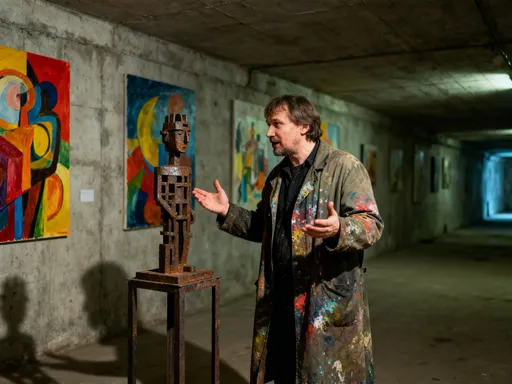
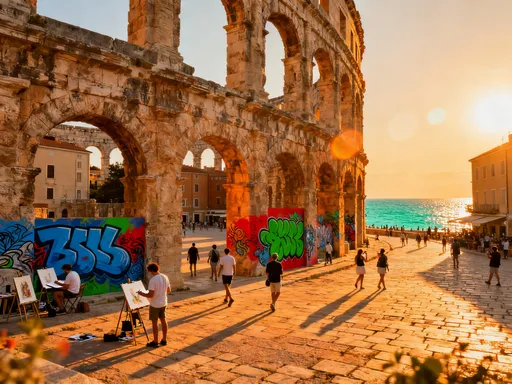
One of the most striking examples is the series of large-scale murals in the Old Town. Painted by Swiss and international artists during annual art weeks, these pieces transform blank walls into vibrant storytelling canvases. Themes range from environmental awareness to local folklore, each rendered in bold colors and dynamic compositions. A favorite among photographers is a mural depicting a child releasing a flock of paper swans into the sky—one that plays beautifully with perspective when shot from below or reflected in a rain puddle.
Temporary installations also add seasonal interest. During the Lucerne Festival Forward, experimental art pieces appear in unexpected places—a sound sculpture in a quiet courtyard, a light-based work beneath a bridge, or a kinetic sculpture floating on the lake. These installations invite interaction and contemplation, often drawing crowds who engage with them in personal ways. Capturing these moments—hands touching a moving sculpture, children laughing at a light display—adds humanity to the art, turning static images into living stories.
For those eager to explore, a self-guided walking tour is the best approach. Start at the Lion Monument and follow the Reuss River upstream, then loop through the Musegg Wall area, where several murals are clustered. The route passes through both historic and modern neighborhoods, offering a visual contrast that enriches the narrative. Apps and local tourism offices provide updated maps of current installations, ensuring you don’t miss time-limited works.
When photographing public art, consider the context. A mural gains meaning when framed with its surroundings—shop signs, passing bicycles, or a cat lounging on a windowsill nearby. These details ground the image in reality and prevent it from feeling staged. Use wide-angle lenses to capture scale, but also zoom in on textures: peeling paint beneath a fresh mural, the grain of wood in a carved sculpture, or the reflection of light on a metal surface. These close-ups reveal the dialogue between permanence and impermanence that defines urban art.
Traditional Crafts Reimagined: Workshops and Local Makers
Lucerne’s cultural depth isn’t limited to performance and visual art—it’s also preserved in the quiet precision of traditional craftsmanship. Watchmaking, wood carving, and textile production remain vital parts of Swiss heritage, and in Lucerne, visitors can witness these skills firsthand. Unlike staged demonstrations, many workshops are active studios where artisans create pieces for sale, exhibition, or personal legacy. This authenticity makes them ideal subjects for meaningful photography.
One of the most photogenic experiences is a visit to a local woodcarving atelier. The scent of fresh pine, the rhythmic sound of chisels, and the sight of hands shaping intricate details bring the craft to life. Light from north-facing windows bathes the workspace in soft, even illumination—perfect for capturing texture and motion. Photographers can document the transformation of raw material into art: a block of wood slowly revealing a floral pattern, a craftsman’s focused expression, or shavings curling onto the floor like ribbons.
Similarly, textile studios offer rich visual opportunities. Embroidery, once a domestic skill, has evolved into a celebrated art form. In small boutiques near the Hofkirche, women hand-stitch floral motifs onto linen using techniques passed down through generations. The precision of their movements, the subtle variations in thread color, and the quiet concentration create serene, meditative scenes. These moments are not meant for spectacle, so discretion is essential. A polite introduction and permission to observe and photograph go a long way in building trust and ensuring respectful representation.
Some workshops even offer hands-on experiences for visitors. While not all allow photography during active sessions, many welcome it before or after. Participating in a short watchmaking demo, for instance, gives you insight into the delicate mechanics of Swiss timepieces—and the chance to photograph tools, gears, and magnifying lamps in detail. These close-ups tell a story of precision, patience, and pride.
The key to photographing craftsmanship is to focus on process over product. A finished clock or carved frame is beautiful, but the journey to completion holds more emotional weight. Capture the tools, the hands at work, the sketches on the table, the quiet moments between tasks. These images honor the maker and elevate the craft, turning documentation into tribute.
Golden Light & Perfect Frames: Timing and Angles for Iconic Shots
No destination rewards photographic timing quite like Lucerne. Its geography—lake, river, mountains, and historic architecture—creates natural conditions for stunning light and composition. The golden hours, just after sunrise and before sunset, transform the city into a study of reflection, contrast, and soft warmth. During these windows, the water of Lake Lucerne becomes a mirror, doubling the beauty of bridges, boats, and buildings in shimmering symmetry.
One of the most iconic vantage points is the Glacier Garden, located just above the city center. From here, the view of Lucerne unfolds like a panorama, with the lake stretching toward the horizon and Pilatus rising in the distance. At sunrise, the mountain catches the first light, its peak glowing pink before the valley below stirs awake. A wide-angle lens captures the full sweep, while a telephoto can isolate details—smoke rising from a chimney, a lone jogger on the promenade, or the first ferry cutting through morning mist.
Within the city, the Reuss River offers endless framing opportunities. The Kapellbrücke and Spreuerbrücke, with their covered walkways and arched openings, act as natural viewfinders. Position yourself on the opposite bank at golden hour, and use the bridge arches to frame a couple walking hand in hand, a swan gliding by, or the warm glow of street lamps turning on. These architectural elements add depth and context, guiding the viewer’s eye through the image.
Reflections on the river’s surface are another powerful tool. A still evening allows for near-perfect mirror images, especially when combined with city lights. To capture this, use a tripod and a low shutter speed—between 1/10 and 1 second—depending on water movement. The result is a dreamy, painterly effect that elevates even familiar scenes. Boats, with their soft cabin lights, add points of interest and motion when captured with slight blur.
Don’t overlook elevated perspectives. The tower of the Jesuit Church offers a climbable spire with 360-degree views. While not as high as a mountain summit, it provides an intimate bird’s-eye view of red rooftops, church steeples, and the winding river. Early morning visits ensure fewer crowds and softer light. Meanwhile, boat tours on the lake offer floating vantage points, especially during sunset when the water turns gold and the shoreline glows. These moving platforms challenge stability but reward patience with unique compositions.
Beyond the Postcard: Capturing Real Moments, Not Just Monuments
Every traveler arrives with a mental checklist: Kapellbrücke, Lion Monument, Lake Lucerne. And yes, these landmarks deserve their fame. But the soul of Lucerne isn’t found in postcard-perfect facades—it’s in the baker pulling fresh loaves from the oven, the fisherman mending his net by the dock, the elderly man feeding pigeons in the square. These quiet, unscripted moments are where culture lives, and where photography becomes truly meaningful.
Capturing them requires a shift in mindset. Instead of chasing the perfect shot, practice presence. Walk without a destination. Sit at a café and observe. Let your eyes adjust to the rhythm of daily life. When you see a moment worth recording, approach with respect. A smile, a nod, a quiet “May I take a photo?” in simple English or German often opens doors. Most people are happy to be included, especially when they sense genuine interest rather than intrusion.
Buskers, too, offer rich storytelling opportunities. A flutist playing folk tunes near the Musegg Wall, a guitarist singing softly by the water—these performers contribute to the city’s cultural soundtrack. Their weathered instruments, worn cases, and expressive faces tell stories of passion and perseverance. Photograph them mid-performance, focusing on their hands, their expressions, the way light falls on their music stand. These images carry emotion that no landmark can replicate.
Equally powerful are the interactions between people. Children chasing ducks, couples sharing ice cream, friends laughing over coffee—these universal moments gain depth when set against Lucerne’s unique backdrop. They remind us that culture isn’t just tradition or art; it’s the way people live, connect, and find joy. Your camera becomes a witness, not a disruptor.
Ultimately, the best travel photography doesn’t just show where you’ve been—it reveals how you saw it. In Lucerne, that means looking beyond the obvious, embracing patience, and honoring the people who make the city breathe. When you return home, your photos won’t just decorate a wall—they’ll carry the warmth of connection, the hush of a lakeside concert, the echo of a brass band in the square. They’ll be more than images. They’ll be stories.
Conclusion
Lucerne is not a city you merely visit; it’s one you experience through all your senses. Its cultural richness—woven into festivals, music, art, and daily life—offers endless inspiration for photography that goes beyond aesthetics. Here, every corner holds the potential for a meaningful frame, not because of perfect lighting or composition, but because of authenticity. The laughter of a child during Fasnacht, the focused hands of a woodcarver, the golden reflection of a bridge at dusk—these are the moments that define Lucerne.
What makes this city exceptional is how naturally culture and visual beauty coexist. You don’t need to search for authenticity; it unfolds around you, unhurried and unfiltered. For photographers, especially those who value depth over spectacle, Lucerne is a rare gift. It invites you to slow down, to listen, to engage with intention. The best shots aren’t taken with the fastest shutter speed, but with the deepest attention.
So when you plan your journey, don’t just pack your camera—bring your curiosity. Walk without an agenda. Let the city reveal itself. Return not only with a full memory card, but with a heart full of moments that no filter could ever enhance. In Lucerne, culture isn’t performed for the lens. It simply lives—and in doing so, it creates images that endure long after the trip ends.