You Won’t Believe These Hidden Views in Shiraz – A Local’s Best-Kept Secrets
Shiraz isn’t just about poetry and gardens—its skyline holds breathtaking vantage points most travelers miss. I’ve wandered its hills and alleys to find where the city truly shines. From sunrise over ancient ruins to golden-hour views above bustling bazaars, these spots reveal Shiraz’s soul. If you're chasing authentic moments, not just checklists, keep reading—this is your key to seeing Shiraz like never before.
Why Viewpoints Matter in Shiraz
Elevated perspectives in Shiraz do more than offer panoramic scenery—they deepen the emotional and cultural resonance of a journey. Standing above the city allows travelers to see how geography, history, and artistry converge in one of Iran’s most poetic urban landscapes. Unlike flat cityscapes where buildings dominate sightlines, Shiraz unfolds in gentle layers: tiled domes nestled among cypress trees, narrow alleyways curling between courtyard homes, and distant mountain ridges framing the horizon. This layered beauty is not accidental. It reflects centuries of Persian design philosophy, where nature and architecture are meant to be seen in harmony.
For generations, poets like Hafez and Saadi have used imagery of gardens, mountains, and city views to express longing, wisdom, and spiritual insight. When visitors climb to a quiet hillside or rooftop, they’re not only enjoying a vista—they’re stepping into the very scenes that inspired timeless verses. A distant minaret catching the last light of day echoes a line about divine presence; the reflection of a garden pool mirrors metaphors of self-reflection. These connections transform a simple photograph into a moment of understanding. That is the power of perspective: it turns sightseeing into storytelling.
Tourism today often emphasizes speed—checking off landmarks, snapping photos, moving on. But in Shiraz, the most meaningful experiences come from stillness and elevation. From above, the rhythm of daily life becomes visible: shopkeepers opening stalls, families strolling through parks, students gathering near mosques. These glimpses create empathy and connection. Curated viewpoints, whether natural or architectural, help travelers slow down and absorb the city’s essence. They offer what guidebooks cannot: the chance to witness Shiraz not as a destination, but as a living, breathing community shaped by tradition, climate, and creativity.
The Most Iconic Skyline Spot: Tomb of Hafez at Dusk
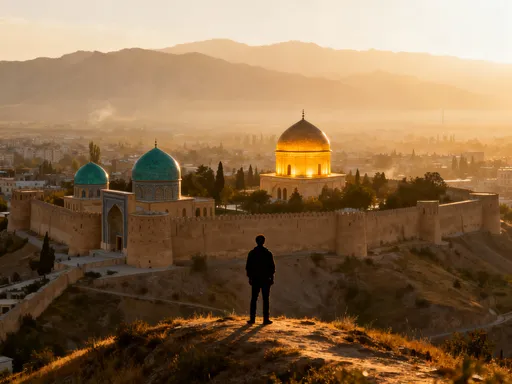
No visit to Shiraz is complete without paying homage to Hafez, the beloved 14th-century poet whose verses continue to guide hearts and minds across Iran. His memorial complex, located in the northern part of the city, is not only a place of reverence but also one of the most poetic vantage points for observing Shiraz’s skyline. As dusk settles, the soft glow of lanterns illuminates marble inscriptions while the surrounding gardens grow still. From the raised terrace near the tomb, visitors can gaze southward across the city as lights begin to flicker on, tracing the contours of neighborhoods nestled beneath the Zagros foothills.
The design of the Hafez mausoleum itself enhances the viewing experience. Open pavilions with slender columns allow unobstructed sightlines, while reflective pools mirror both the sky and the surrounding cypress trees—symbols of eternity in Persian culture. As the sun dips below the horizon, the interplay of light and shadow creates a serene atmosphere perfect for contemplation. This is when the air cools, the crowds thin, and the city seems to exhale. Locals often come during this time to recite poetry or sit quietly with a book of ghazals, making it an ideal moment to observe authentic cultural practices.
To fully appreciate this location, timing is essential. Arriving 30 to 45 minutes before sunset allows enough time to explore the garden paths and find a peaceful spot. Weekdays are less crowded than weekends, and visiting during spring or early autumn ensures comfortable temperatures. Photography is welcomed, but discretion is advised—especially when people are praying or reading aloud. Respecting the solemnity of the space enhances the experience for everyone. Whether you come for the view, the poetry, or the peace, the Tomb of Hafez at dusk offers a rare blend of beauty and meaning that defines the spirit of Shiraz.
Off-the-Beaten-Path: The Quiet Hill Above Nasir al-Mulk Mosque
While thousands line up each morning to witness the famous light show inside Nasir al-Mulk Mosque—commonly known as the Pink Mosque—few realize there’s a quiet hillside path just behind the complex that offers a stunning aerial view of its entire structure. This elevated vantage point, known to some local residents but rarely marked on tourist maps, provides a unique way to appreciate the mosque’s intricate tilework, symmetrical layout, and the way sunlight dances across its stained-glass windows. From above, the building appears like a mosaic laid out for inspection, revealing patterns invisible at ground level.
The climb is gentle and safe, taking about ten minutes from the rear exit of the mosque grounds. The path is paved and well-maintained, with low stone railings for safety. Early morning is the best time to visit, especially between 6:30 and 8:00 a.m., when the sun rises directly behind the mosque, illuminating its eastern façade in radiant hues of pink, turquoise, and gold. At this hour, the contrast between the glowing tiles and the soft blue sky creates a visual spectacle that even the most experienced travelers describe as unforgettable.
Because this spot remains relatively unknown to mass tourism, it offers a rare sense of solitude in an otherwise busy area. Visitors should dress modestly and speak quietly, as the path passes near residential homes and a small neighborhood mosque. It is customary to greet locals with a polite salaam if encountered along the way. Carrying a small notebook or sketchpad is encouraged—many find inspiration here, whether through photography, drawing, or journaling. This hidden hilltop is not just a place to see the Pink Mosque from a new angle; it’s a reminder that sometimes the most beautiful perspectives require stepping slightly off the expected path.
Sunrise from the Citadel of Arg-e Karim Khan
One of the most powerful ways to experience Shiraz is to enter Arg-e Karim Khan at dawn, when the ancient fortress stands in silence beneath a softening sky. Originally built in the 18th century as the residence and military stronghold of Karim Khan Zand, this imposing citadel once served as the center of civic and defensive life in the city. Today, its thick brick walls and circular watchtowers welcome early risers with a 360-degree panorama of Shiraz awakening below. As the first rays of sunlight touch the eastern minarets and rooftop gardens, the city emerges from shadow like a manuscript slowly being revealed.
Climbing the northern tower—once used by guards to monitor approaching caravans—offers one of the clearest unobstructed views in the city. To the west, the sprawling Vakil Bazaar begins to stir, its narrow lanes still quiet but soon to fill with the scent of spices and freshly baked bread. To the east, the green canopy of Eram Garden spreads across the landscape, a testament to Shiraz’s long-standing tradition of horticultural mastery. Beyond the city limits, the Zagros Mountains rise in a hazy blue line, their presence a constant reminder of the region’s natural grandeur.
Reaching the site before official opening hours—around 7:00 a.m.—ensures a peaceful ascent with minimal crowds. Security personnel are accustomed to early visitors and typically allow entry shortly before sunrise, especially during peak tourist seasons. Comfortable walking shoes are recommended due to the uneven stone steps, and a light jacket is advisable in cooler months. The experience of watching daybreak from this historic vantage point connects the modern traveler to centuries of observation: merchants scanning for trade routes, rulers assessing their domain, and citizens seeking reassurance in the rhythm of a new day. In that stillness, history feels not distant, but immediate.
Overlooking the Old Bazaar: A Rooftop Café with a View
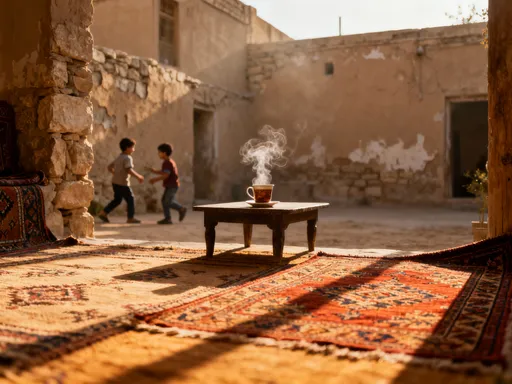
Nestled just off the main entrance of Vakil Bazaar lies a traditional teahouse perched atop a centuries-old caravanserai. This unassuming rooftop café, frequented by local scholars, retired teachers, and artisans, offers one of the most intimate views of daily life in Shiraz. From its shaded terrace, visitors can sip hot tea from delicate glass cups while observing the gradual animation of the bazaar below. Shopkeepers roll up metal shutters, children deliver tea to workers, and merchants arrange displays of saffron, rugs, and copperware. The scene unfolds like a living tapestry, rich with color, sound, and purpose.
What makes this spot special is not just the view, but the atmosphere of quiet dignity that permeates the space. Unlike commercialized rooftop restaurants in other cities, this café maintains a simple, functional charm. Tables are made of polished walnut, cushions are hand-embroidered, and the tea is brewed slowly over charcoal. Conversations among patrons are hushed and thoughtful, often revolving around literature, weather, or family news. For the observant traveler, it becomes a window into the values of respect, patience, and hospitality that define Shirazi culture.
Finding the café requires a bit of exploration—it’s not prominently signed, and its entrance is tucked behind a covered passage near the spice section of the bazaar. Asking a trusted vendor for directions is the best approach; most will gladly point the way with a smile. Visitors should arrive before 10:00 a.m. to secure a seat with a clear view and avoid the midday heat. Dressing conservatively and removing shoes before stepping onto the carpeted seating area shows cultural sensitivity. This is not a place for loud photography or rushed visits. Instead, it invites presence—sitting, sipping, and simply watching the world move below.
The Hidden Garden Lookout at Eram Garden
Eram Garden, a UNESCO World Heritage site and masterpiece of Persian garden design, draws thousands each year with its fragrant flowers, flowing fountains, and elegant pavilions. Yet few visitors venture to the far northwest corner of the garden, where a subtle rise in elevation reveals a sweeping vista of the entire layout. From this quiet overlook, the symmetrical design of the garden—divided by water channels representing the four rivers of paradise—becomes fully visible. Cypress trees stand like sentinels along the pathways, while rows of roses, jasmine, and orange blossoms create a tapestry of color and scent that shifts with the seasons.
This elevated perspective allows travelers to appreciate the deeper meaning behind Persian gardens: they are not merely decorative, but symbolic representations of order, balance, and spiritual ascent. The concept of *chahar bagh*—four-part garden—is rooted in ancient Persian cosmology and later adopted in Islamic garden traditions. Seeing this design from above transforms the experience from passive strolling to active understanding. It’s one thing to walk through beauty; it’s another to comprehend the intention behind it. The quiet bench at this lookout invites reflection, making it a favorite spot for local families during evening visits.
The best time to visit this viewpoint is during late spring (April to May), when the roses are in full bloom and the air carries their perfume on every breeze. Autumn (October to November) also offers excellent visibility, with clear skies and comfortable temperatures. Summer months can be hot, so early morning visits are recommended. Because this area is less trafficked, it remains a peaceful retreat even on busy days. Visitors are encouraged to bring a small notebook or sketchpad to record impressions. There are no signs explaining the significance of this spot, which adds to its charm—it feels like a secret shared between the garden and those who take the time to look up and around.
Balancing Beauty and Respect: Viewing Etiquette in Shiraz
As rewarding as it is to discover these elevated views, doing so with cultural sensitivity ensures that both visitors and locals benefit from the experience. Shiraz is a city of deep traditions, where public behavior, dress, and interactions are guided by long-standing customs. When photographing from high vantage points, it’s important to be mindful of privacy. Avoid zooming in on residential courtyards, private balconies, or individuals who may not expect to be seen from above. If you wish to take portraits of people, always ask permission first and be prepared to accept a polite refusal.
Religious sites, including mosques and shrines, require special consideration. Drones are not permitted near such locations, and photography from elevated angles should never appear intrusive or disrespectful. Dressing modestly—women in headscarves and loose-fitting clothing, men in long sleeves and trousers—shows respect regardless of the setting. When visiting viewpoints near places of worship or community spaces, speaking in low tones and avoiding loud laughter or music is appreciated.
Engaging with locals can greatly enrich the experience. Many residents are proud of their city and happy to share insights about lesser-known paths or ideal viewing times. A simple greeting in Persian—"Salam, chetorid?" (Hello, how are you?)—can open doors to meaningful exchanges. Offering tea or sharing a piece of fruit while sitting at a viewpoint is a traditional gesture of friendship. These small acts of kindness build trust and create memories that go beyond photographs. Ultimately, the most beautiful view in Shiraz is not just what you see, but how you choose to see it—with humility, curiosity, and respect.
Conclusion: Seeing Shiraz Through New Eyes
Traveling to Shiraz is more than visiting a list of famous sites—it’s an invitation to perceive the world differently. The hidden viewpoints described here are not just physical locations; they are invitations to slow down, look closely, and connect with a culture that values beauty, poetry, and contemplation. From the hushed terraces of Hafez’s tomb to the quiet hill above the Pink Mosque, each vantage point offers not only a view of the city, but a deeper understanding of its soul.
In an age of fast travel and digital distractions, these elevated moments remind us that true discovery happens when we pause. It is in stillness that we notice the way light filters through stained glass, how a garden reflects cosmic order, or how a single line of poetry can resonate across centuries. Shiraz rewards those who look up, look out, and look deeper. It teaches that the most memorable journeys are not measured in miles, but in moments of insight.
So as you plan your visit, resist the urge to rush. Seek the quiet paths, arrive early, and choose perspectives that require effort and patience. Let the city reveal itself gradually, like the unfolding of a poem. Because in Shiraz, every view is more than scenery—it’s a story waiting to be heard, a feeling waiting to be felt, and a memory waiting to be made. The city’s skyline is not just seen; it is felt, remembered, and carried home in the heart.