You Won’t Believe What I Ate While Shopping in Rotterdam
Rotterdam isn’t just bold architecture and modern streets—it’s a food lover’s playground hiding in plain sight. While I wandered from market stalls to boutique shops, I kept stumbling upon flavors that stopped me in my tracks. From steaming stroopwafels to fresh herring with a view of the harbor, shopping here turns into a delicious adventure. This is what happens when culture, commerce, and cuisine collide in the most unexpected way. The city’s forward-thinking spirit isn’t limited to its skyline; it extends into every corner of daily life, especially how people eat, shop, and connect. For women who cherish meaningful experiences—whether traveling solo, with friends, or as part of a family getaway—Rotterdam offers a refreshing blend of ease, elegance, and authenticity. Here, every shopping trip can become a sensory journey, where taste plays as important a role as style.
First Impressions: Rotterdam’s Urban Vibe and Shopping Scene
Walking through Rotterdam feels like stepping into the future while still honoring the past. Unlike the canal-lined charm of Amsterdam, Rotterdam rebuilt itself after World War II with boldness and vision, resulting in an urban landscape defined by innovation. Sleek glass towers stand beside colorful street art, and wide, open plazas invite exploration. This spirit of reinvention shapes the city’s shopping culture—dynamic, diverse, and deeply integrated with everyday life. Women who appreciate thoughtful design and functional beauty will find themselves at home here, where form meets practicality at every turn.
The city’s shopping areas reflect this balance. At Beurstraverse, a modern glass-covered passage connecting the central station to the business district, visitors encounter familiar high-street brands like H&M, Zara, and Springfield. But even within this commercial corridor, there’s a sense of intentionality—clean lines, natural light, and easy navigation make shopping less overwhelming and more enjoyable. It’s ideal for those who want efficiency without sacrificing comfort, especially when traveling with children or managing a tight schedule. The layout is stroller-friendly, with benches, restrooms, and clear signage, making it accessible for all stages of life.
Just a short walk away lies Witte de Withstraat, a vibrant contrast to the polished Beurstraverse. This tree-lined avenue pulses with independent energy, housing small boutiques, concept stores, and local designers. Here, you’ll find handmade ceramics, sustainable fashion labels, and curated home goods—perfect for finding one-of-a-kind gifts or treating yourself to something special. What makes this street truly delightful is how seamlessly food fits into the experience. A quick pause at a corner café for a cappuccino and a slice of almond cake isn’t an afterthought—it’s part of the rhythm of the day. Shoppers often stop mid-afternoon, not out of fatigue, but to savor a moment of calm and flavor.
Rotterdam’s urban planning ensures that moving between shopping zones and food spots feels effortless. Wide sidewalks, excellent bike lanes, and frequent tram lines connect neighborhoods smoothly. For women managing multiple roles—caregiver, professional, traveler—this ease of movement is invaluable. You don’t need to choose between productivity and pleasure; the city allows you to weave both together. Whether you’re picking up a new blouse, browsing art books, or sampling local cheese, the transitions feel natural, unhurried, and deeply satisfying.
Markthal: Where Shopping Meets a Food Wonderland
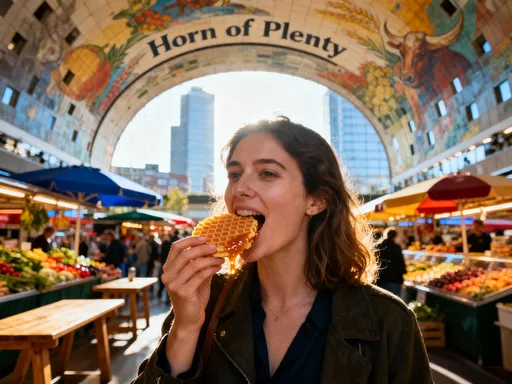
No visit to Rotterdam is complete without stepping inside the Markthal, a striking architectural marvel that has become a symbol of the city’s modern identity. Shaped like a horseshoe and covered in a vast, curved glass facade, the interior is adorned with “Horn of Plenty,” the world’s largest artwork by surface area—a vibrant, larger-than-life mural featuring fruits, flowers, and insects that draws gasps from first-time visitors. But beyond its visual impact, the Markthal functions as a bustling hub where shopping and dining coexist in perfect harmony. For women who value both beauty and utility, this space exemplifies how public design can enhance daily life.
Inside, 96 stalls line two levels, offering everything from fresh produce to gourmet specialties. The air hums with activity in the morning as locals pick up ingredients for the week, and by midday, the space fills with office workers and tourists alike, drawn by the promise of something delicious. Unlike traditional markets that may feel chaotic or overwhelming, the Markthal is well-organized, clean, and welcoming. Wide aisles accommodate foot traffic easily, and seating areas are plentiful, allowing visitors to sit and enjoy their purchases without rushing. This thoughtful design makes it particularly appealing for older adults or those with mobility concerns, ensuring inclusivity without compromising style.
For food lovers, the variety is nothing short of exhilarating. Cheese enthusiasts will gravitate toward stalls offering aged Gouda, creamy Leyden, and goat varieties with herb infusions. These are not just for sampling—they make excellent, portable gifts that capture the essence of Dutch craftsmanship. Meat lovers can explore smoked sausages and cured hams, while vegetarians and health-conscious shoppers will appreciate the abundance of organic vegetables, nuts, and cold-pressed juices. International influences are strong here too, reflecting Rotterdam’s multicultural population—Moroccan spices, Turkish pastries, and Indonesian rijsttafel ingredients share space with classic Dutch fare.
Among the must-try treats are freshly made bitterballen—crispy, golden orbs filled with rich, savory beef or mushroom ragout. Best served hot with a dollop of mustard, they’re the ultimate comfort snack. Equally irresistible are warm stroopwafels, their caramel-like filling still gooey between two thin waffle layers. Watching them being made—pressed fresh on the spot—is half the joy. Artisanal sandwich shops offer creative combinations on crusty sourdough, such as smoked salmon with dill cream, or roasted beet with feta and walnuts—ideal for a light yet satisfying meal. Each bite tells a story of quality, care, and tradition reimagined for modern tastes.
Beyond Markthal: Hidden Food Gems Near Shopping Streets
While the Markthal is a destination in itself, some of Rotterdam’s most memorable flavors lie just beyond its walls, tucked into alleyways, courtyards, and side streets. These smaller, lesser-known spots offer a more intimate experience, where regulars greet vendors by name and the pace slows just enough to appreciate the details. For women seeking authenticity over spectacle, these hidden gems reveal the soul of the city’s food culture—one built on routine, connection, and quiet pleasures.
One such delight is the humble food kiosk, often found near shopping arcades or transit stops. These compact stands serve hot, ready-to-eat meals in minutes, making them perfect for a quick recharge during a long day of browsing. A favorite among locals is kibbeling—chunks of lightly battered and fried white fish, typically cod, served with a tangy remoulade sauce. Crispy on the outside, tender within, it’s a satisfying treat that pairs well with a paper cone of fries. Stands near the Meent or in the Lijnbaan district often have lines at lunchtime, a testament to their popularity and quality.
Another hidden joy is the neighborhood café that doubles as a pastry haven. Tucked between fashion boutiques on Westblaak or near the Kunsthal museum, these small establishments offer freshly baked Dutch treats like appeltaart (apple pie) with a buttery crust, orvlaai (a custard tart), and banket (almond-filled pastry). Many open early and stay open late, catering to women who might be starting their day with a quiet coffee or winding down after a shopping spree. The atmosphere is warm and unpretentious—wooden tables, soft lighting, and the scent of cinnamon in the air. It’s a space where time feels suspended, inviting you to pause and reflect.
What sets these spots apart is how seamlessly they integrate into the shopping experience. You don’t need to detour far or sacrifice convenience to enjoy something delicious. In fact, many women plan their routes around these mini culinary stops, turning errands into moments of self-care. A warm drink and a buttery croissant become small acts of kindness toward oneself, especially during busy seasons like fall or spring when the city buzzes with activity. These quiet indulgences, though simple, contribute to a deeper sense of well-being and connection to place.
Weekend Markets: A Shopper’s Guide to Fresh and Local
For those who love the rhythm of market days, Rotterdam delivers with a variety of weekly outdoor markets that blend shopping, food, and community. These events transform ordinary streets into lively gathering places, offering fresh produce, handmade goods, and ready-to-eat delights. They’re especially appealing to women who prioritize quality, seasonality, and sustainability in their choices—whether buying ingredients for family meals or selecting unique gifts.
The Delfshaven market, held every Saturday in the historic Delfshaven district, is a standout. This picturesque neighborhood, with its narrow canals and 17th-century buildings, provides a charming backdrop for a market that emphasizes craftsmanship and local flavor. Vendors sell hand-knit scarves, ceramic mugs, and organic soaps alongside Dutch pancakes cooked to order—thin, golden griddles topped with butter, sugar, or apple slices. The scent of caramelizing sugar drifts through the air, drawing visitors in. Unlike larger, more commercial markets, Delfshaven maintains a relaxed, unhurried vibe, perfect for a leisurely morning stroll with a friend or partner.
Another excellent option is the Alexandrium market, open on Sundays in the Kralingen neighborhood. Known for its focus on organic and eco-friendly products, this market attracts a health-conscious crowd. Stalls overflow with seasonal vegetables, fresh herbs, and locally sourced honey. Food vendors offer wholesome options like quinoa bowls, vegan stroopwafels, and cold-pressed smoothies—ideal for women managing dietary preferences or supporting a balanced lifestyle. Children’s clothing, wooden toys, and second-hand books add to the family-friendly appeal, making it a destination for whole households.
To make the most of these markets, timing is key. Arriving early ensures the best selection of fresh produce and hot food, while a midday visit allows you to enjoy the full energy of the scene. Many vendors begin packing up by late afternoon, so planning your shopping route around market hours can enhance both efficiency and enjoyment. Bringing a reusable bag not only aligns with Rotterdam’s sustainability values but also makes carrying purchases easier. These weekend gatherings are more than shopping trips—they’re opportunities to engage with local life, support small businesses, and savor flavors that can’t be found in supermarkets.
Dutch Flavors with a Modern Twist: Fusion Eats in Shopping Areas
Rotterdam’s culinary scene thrives on reinvention, where tradition meets innovation in exciting ways. Nowhere is this more evident than in the city’s approach to classic Dutch dishes, which are being reimagined by a new generation of chefs—many of them women—working in kitchens near shopping districts. These creative reinterpretations honor heritage while embracing global influences, resulting in meals that feel both familiar and fresh.
Poffertjes, the beloved mini pancakes traditionally served with butter and powdered sugar, now appear with modern upgrades. In trendy cafés near the Museumpark, you might find them topped with lemon curd and fresh berries, or drizzled with salted caramel and served alongside vanilla ice cream. Some restaurants even offer savory versions with goat cheese and thyme, expanding the possibilities beyond dessert. These updates reflect a broader trend: Dutch cuisine is no longer static but evolving, responsive to changing tastes and lifestyles.
Even herring, a staple of Dutch street food, has seen contemporary makeovers. While purists still enjoy it raw, held by the tail and dipped into onions, newer interpretations include herring tartare on rye crisps or pickled herring in sushi rolls. These versions make the dish more approachable for those unfamiliar with traditional preparation, while preserving its distinctive flavor. Served in stylish settings with natural wood finishes and soft lighting, these meals feel elevated without losing their authenticity.
The presence of young, innovative chefs in retail-adjacent spaces speaks to Rotterdam’s openness to change. Many of these eateries are located in repurposed warehouses or pop-up containers, reflecting the city’s love for adaptive reuse and sustainable design. Women entrepreneurs are particularly active in this space, launching bakeries, plant-based cafés, and wellness-focused juice bars that cater to mindful consumers. Their success underscores a cultural shift—one where food is not just fuel but an expression of values, identity, and care.
Practical Tips: Maximizing Your Shopping & Tasting Experience
To fully enjoy Rotterdam’s shopping and food culture, a few smart strategies can make a big difference. Timing your visit wisely is essential. Weekday mornings, especially Tuesday through Thursday, tend to be less crowded than weekends, allowing for a more relaxed pace. Early arrivals at markets and the Markthal mean fresher food and shorter lines. If you prefer a livelier atmosphere, Saturday afternoons offer peak energy, though expect more foot traffic.
Transportation in Rotterdam is efficient and user-friendly. The city’s compact size makes walking a pleasure, and the extensive tram network connects major shopping zones with residential neighborhoods. For those who enjoy active exploration, bike rentals are widely available and safe, thanks to dedicated cycling paths. Many women find that combining short rides with walking breaks helps them cover more ground without exhaustion. Public transit is clean, punctual, and accessible, with clear signage in English and Dutch, making navigation straightforward even for first-time visitors.
Budget-conscious travelers will appreciate the range of affordable options. While Rotterdam has high-end boutiques and gourmet restaurants, it also embraces inclusivity through small food stands and lunch deals. A fresh stroopwafel costs around €2.50, a kibbeling cone about €5, and many cafés offer daily specials under €8. Water fountains are scattered throughout the city, encouraging reusable bottles and reducing plastic waste—a small but meaningful detail for environmentally aware visitors.
When planning your route, consider grouping destinations by neighborhood. Start at the central station, visit the Markthal, then walk to Beurstraverse and Meent for shopping. In the afternoon, head to Witte de Withstraat or Delfshaven for independent stores and cafés. Ending the day with a sunset view from the Erasmus Bridge or a quiet drink at a waterside terrace provides a peaceful conclusion. Packing a small tote bag, comfortable shoes, and a reusable water bottle ensures you’re prepared for hours of discovery.
Why Rotterdam Stands Out: The Unique Blend of Commerce and Culture
What makes Rotterdam truly special is not just its architecture or its food, but how these elements come together to create a uniquely human experience. The city refuses to separate shopping from living—it embraces the idea that errands, meals, and moments of joy can coexist. For women who seek balance in their lives, this integration feels deeply resonant. Here, a trip to buy socks can lead to a conversation with a cheesemonger, which in turn sparks a new recipe idea for dinner. These small, unplanned interactions enrich the day in ways that go beyond consumption.
Rotterdam’s openness to diversity, design, and sustainability fuels this vibrant ecosystem. The city welcomes different cultures, ideas, and ways of living, allowing them to shape its streets, shops, and menus. This inclusivity is not performative—it’s embedded in policy, planning, and daily practice. From wheelchair-accessible markets to multilingual signage and gender-neutral restrooms, the city demonstrates a quiet commitment to dignity and ease for all.
Most importantly, Rotterdam reminds us that food is more than sustenance—it’s connection. Sharing a stroopwafel with a friend, watching a child taste herring for the first time, or learning how to pronounce “kaas” (cheese) with a smile—these are the moments that linger. They turn a routine shopping trip into a memory, a visit into a story worth telling. In a world that often feels rushed and fragmented, Rotterdam offers a different rhythm—one that values presence, pleasure, and the simple act of savoring.
As you walk its sunlit plazas and bustling lanes, you begin to see that the city isn’t just built for efficiency or aesthetics. It’s built for life. And for women who cherish meaningful experiences, who believe in caring for themselves and others, who find joy in both beauty and practicality—Rotterdam feels like a kindred spirit. It invites you not just to shop, but to live—to move through the world with curiosity, kindness, and an open heart. In the end, it’s not just what you eat while shopping that surprises you. It’s how good it feels to be seen, welcomed, and nourished in every sense of the word.